- Regions of Sri Lanka
Vavuniya
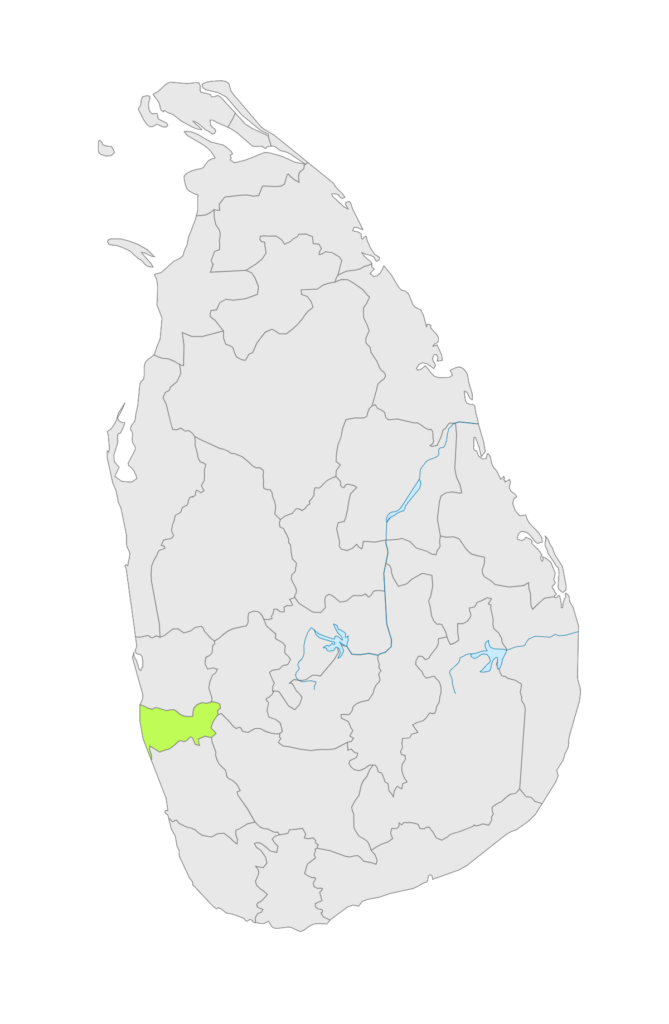
Top Attractions in Vavuniya
Top Attractions in Vavuniya
No results found.
A first-time guide to Vavuniya
A first-time guide to Vavuniya
Why Vavuniya is worth your time and Opportunities to Visit
Vavuniya is worth your time if you enjoy destinations that add meaning to your route rather than acting as a “checklist city.” The standout is Madukanda Sri Dalada Viharaya, a temple near Madukanda Wewa that heritage writing links to the story of the Sacred Tooth Relic’s journey; one source says historical records place the relic resting here while being transported onward, giving the site special spiritual weight for Buddhists. Even sources that treat the story cautiously still present Madukanda as a notable stopover in the local narrative of Princess Hemamali and Prince Dantha moving the relic. That makes a temple visit here feel like a living story rather than a generic shrine stop. The second reason is pace and authenticity. Vavuniya is a working northern town: markets, bakeries, local eateries, and everyday rhythms, with far fewer tourist layers than coastal resort hubs. It also works practically as a staging point between major heritage and northern circuits, letting you break a long drive, reset, and still do something meaningful in half a day. The district is not about mega-attractions; it’s about context-seeing how Sri Lanka feels away from polished tourism corridors, while still having a historically resonant temple anchor.
Best time to visit
Vavuniya is inland and warm, so the “best time” is as much about time of day as time of year. For Madukanda Viharaya and reservoir-side walking, early morning and late afternoon are ideal: softer light, less heat, and a calmer atmosphere for temple visits. The temple is described as being near Madukanda Wewa, and tank-side areas can feel exposed in midday sun, so plan shade breaks. If you are connecting between Anuradhapura and Jaffna routes, timing Vavuniya as a daytime stop (not late-night arrival) improves comfort and logistics. Seasonally, most travelers prefer drier stretches for smooth road travel and easier walks around tanks and rural edges. In wetter periods, the district is still visitable, but you’ll want better footwear and more flexible pacing. If your main interest is spiritual heritage, any season works; if your interest is “town-and-walk” exploration, avoid packing too many midday outdoor stops. A good plan is: temple early, town lunch, quiet rest, then a short market or tank-side stroll near sunset.
Where to stay (by style and budget)
Vavuniya is best approached as a comfort stop base. Choose accommodation for clean rooms, good sleep, and easy access to your onward road (north to Jaffna, south to Anuradhapura/Colombo, or eastward connections). If Madukanda Viharaya is a priority, pick a stay that can arrange a morning tuk‑tuk/car quickly, since the temple sits outside typical “walkable” town touring patterns. Sources describe Madukanda as near the reservoir and village setting, so transport convenience matters. Budget guesthouses can be fine if reviews confirm cleanliness and water reliability. Mid‑range hotels are often the best value because they provide AC, stable showers, and early breakfast options-important if you’re leaving at dawn. For families, prioritize simple parking, a quiet area, and staff who can help coordinate drivers. If you’re a solo traveler, a central stay makes it easier to eat and move without feeling stranded at night. Vavuniya is not a resort destination; it’s a practical base that becomes enjoyable when you keep expectations realistic and focus on the temple + town experience.
Shopping smart in Vavuniya
Shopping in Vavuniya is mainly local and practical: food, snacks, and travel needs. Treat it as a place to restock essentials—bottled water, fruit, biscuits, phone top-ups, and simple clothing—before you head deeper into the north where selection can thin out in rural areas. The best shopping “win” here is convenience: getting what you need at normal local prices rather than paying beach-town markups. If you want small take-home items, choose things that are light and genuinely local: packaged snacks, spices from reputable shops, or modest religious mementos bought respectfully near temple areas. At Madukanda Viharaya, if you purchase offerings or small items, keep it simple and focus on supporting local vendors rather than collecting many objects. Avoid high-value purchases where authenticity is hard to verify. Carry smaller cash notes; card use can be limited outside bigger supermarkets, and tuk‑tuks prefer cash.
Practical tips: safety, water, and essentials
Vavuniya is generally a low-drama destination, but it demands good travel habits: hydration, heat management, and transport planning. Carry safe drinking water, particularly if you’ll be walking around Madukanda Wewa or doing midday town exploration. Because Madukanda Viharaya is described as being in a village setting near the reservoir, plan your return ride in advance rather than assuming instant pickups. Wear sun protection and choose light clothing. At temples, dress modestly and remove footwear where required. Road travel is often the biggest risk: long distances, driver fatigue, and night driving. Avoid pushing late-night legs if possible; arrive in daylight, rest, then continue the next morning. Save offline maps and keep your accommodation pin handy. If you’re visiting with family, keep a small first-aid kit and electrolyte sachets-heat can drain people quickly. Finally, be respectful about photography at religious sites and among locals; Vavuniya is a real community, not a staged tourist zone, and sensitive behavior will shape your experience.
Food, culture & experiences
Food in Vavuniya is straightforward, filling, and designed for working-town life: rice-and-curry, short eats, bakery items, and tea-shop meals. It’s a good place to eat “like locals” at low cost, especially if you’re tired from driving. Rather than searching for trend restaurants, aim for one well-reviewed local hotel/restaurant and a bakery stop for travel snacks. The district is more about sustenance than culinary tourism, but you’ll still find satisfying northern-style spice profiles if you explore a little. The unique cultural anchor is Madukanda Sri Dalada Viharaya. Heritage writing links it to the Sacred Tooth Relic journey, and even when the story is presented as tradition rather than fully proven history, it still gives the site a narrative power that many small temples don’t have. A good “Vavuniya day” looks like: early temple visit, quiet time by the tank, lunch in town, then a slow market walk and early night. If you want deeper cultural experience, visit during a calmer time, sit for a few minutes rather than rushing, and treat the place as a living spiritual site.
Latest Stories from Local about Vavuniya
Latest Stories from Local about Vavuniya
Galle, a charming coastal city in Sri Lanka, is a blend of history, culture, and stunning
Matara, a picturesque coastal town in Sri Lanka, is known for its stunning beaches, rich cultural
Galle, a charming coastal city in Sri Lanka, is a blend of history, culture, and stunning
Nestled in the heart of Sri Lanka, the Knuckles Mountain Range is a paradise for nature
Jaffna, located at the northern tip of Sri Lanka, offers a unique blend of culture, history,
Sri Lanka – the endless green of Ella”: This blog post delves into the verdant scenery
How to Reach Vavuniya
How to Reach Vavuniya
Train
Train travel is a cost-effective and relatively comfortable way to reach Vavuniya from major hubs, especially for long legs where buses feel exhausting. Expect low fares (often LKR 200–1,500 depending on class and distance). Comfort is mid to high if you secure seats. From the station, tuk‑tuks are usually needed for last-mile hotel transfers. This is a strong option for solo travelers and couples who can plan around timetables.
Intercity bus
Buses to Vavuniya are frequent and cheap, commonly in the LKR 200–1,200 range for many major routes depending on distance and bus type. Comfort is low to mid, with crowding and limited luggage ease, but access is easy and departures are regular. It’s good for budget travel and flexible plans. After arrival at the bus stand, you’ll usually take a tuk‑tuk to your accommodation.
Taxi or private car
A private car is the most comfortable and time-controlled way to reach Vavuniya, especially if you’re traveling with family or linking multiple stops (e.g., Anuradhapura + Vavuniya + Jaffna). Expect roughly LKR 25,000–70,000 for longer intercity legs depending on start point and vehicle. Comfort is high with AC and direct drop-off. This option is ideal when you must arrive rested or want to stop at temples/food points en route.
Shared van or tour transfer
Shared transfers can reduce cost compared with a private taxi while keeping better comfort than standard buses. Prices often land around LKR 3,000–10,000 per person depending on route and demand. Comfort is mid to high (seat guaranteed, often AC), but you’ll have fixed pickup times and less freedom to stop. This is best for solo travelers who want convenience and don’t mind sharing and sticking to schedule.
Transport Options in Vavuniya
Transport Options in Vavuniya
Private car/van with driver
A private driver is best if you want a smooth visit to Madukanda Sri Dalada Viharaya and the reservoir area without transport stress. Expect around LKR 8,000–20,000 for a half/full day depending on mileage. Comfort is high with AC and shade breaks, and access is easy through hotels. This option is ideal for families, older travelers, or anyone combining multiple stops and wanting predictable timing.
Meter Tuk-Tuks (three-wheelers) or Taxi Cars - From the Streets
Tuk‑tuks are the easiest way to move around town for markets, food stops, and short sightseeing. Short rides often run LKR 300–1,500 depending on distance and timing, with easy access near the station and bus stand. For Madukanda Viharaya, tuk‑tuks can work if you negotiate a return wait time; otherwise, pickups can be uncertain in quieter areas. Confirm price and return plan before departing.
Walking and short hikes
Walking works for short town loops-markets, tea shops, and nearby religious sites-especially early morning and late afternoon. It’s free and helps you see everyday life. The limitation is heat: midday walking can be exhausting, so plan shade and water. Walking is not realistic for Madukanda Viharaya or reservoir edges; combine walking with tuk‑tuks to avoid getting stuck far from town services.
Public buses - Public Transport
Local buses are cheap for moving between town and some nearby villages, often in the LKR 30–200 range for short segments. Comfort is low and schedules are not tourist-friendly, but access is good at main junctions. This option suits budget travelers who are patient and willing to ask locals for the correct stop. For temple visits, you’ll often still need a tuk‑tuk from the bus drop-off.