- Regions of Sri Lanka
Kurunegala
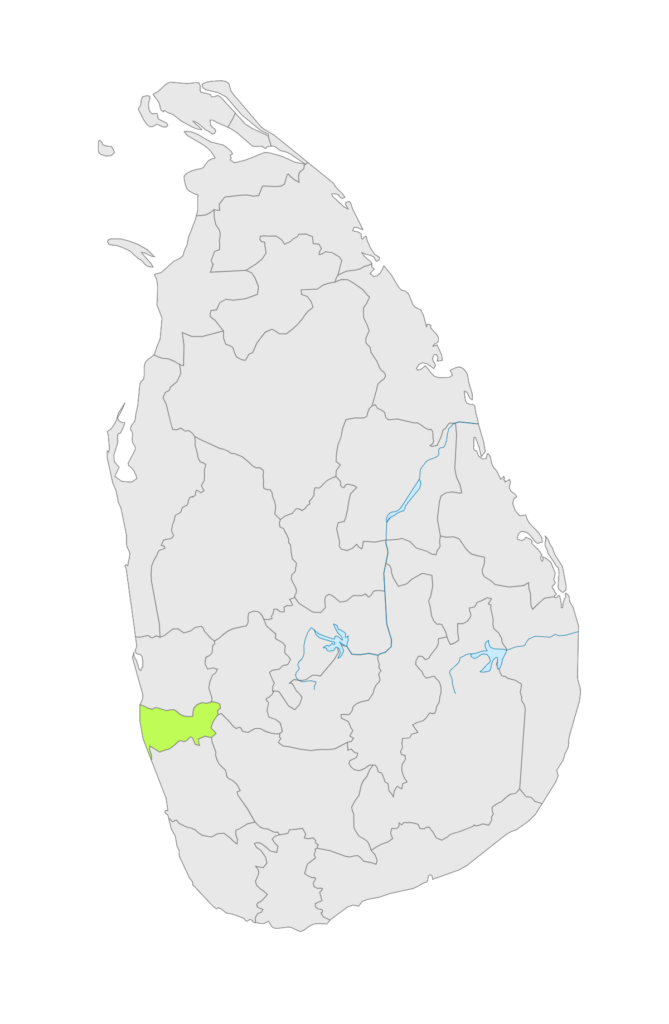
Top Attractions in Kurunegala
Top Attractions in Kurunegala
No results found.
A first-time guide to Kurunegala
A first-time guide to Kurunegala
Why Kurunegala is worth your time and Opportunities to Visit
Kurunegala is worth your time because it’s a “high value, low friction” heritage base: you get a real provincial city plus major day trips without having to commit to crowded core hubs. Tourism Sri Lanka highlights the signature setting-giant animal-shaped rocky outcrops-with Ethagala rising more than 300 meters above the town and a lake nearby, and even suggests visitors may be tempted to climb the hills early in the morning. That means you can start your day with a viewpoint experience inside the city, then still have time for deeper archaeology outside it. The district’s day trips deliver outsized historical depth. Tourism Sri Lanka describes Yapahuwa as a 13th‑century temporary capital where a Temple of the Tooth was built, later raided, and notes the climb’s rewards and details of the decorative stairway and carvings. Ridi Viharaya adds an older Buddhist layer: it’s described as a 2nd‑century BCE Theravada temple, built during Dutthagamani’s reign, associated with the discovery of silver ore that provided silver to complete the Ruwanwelisaya stupa. Put simply, Kurunegala gives you rocks, ruins, and a strong narrative-without the heavy “tourist machine” feel.
Best time to visit
Kurunegala works year-round, but your best experience depends on timing your climbs and outdoor walks well. Tourism Sri Lanka explicitly nudges visitors toward early-morning hill climbs, which is also when the heat is lowest and the views are clearest from Ethagala and other outcrops. If you plan Yapahuwa, treat it like a “cool-hours” site: the climb is exposed, and midday sun can drain you faster than you expect. Early departures also help you avoid arriving at ruins when you’re tired or rushed. Seasonally, pick drier days if you can, because stone steps and steep paths become slippery in heavy rain-especially at Yapahuwa’s stairway and on the final approach. If you visit in wetter months, bring shoes with grip and keep your schedule flexible. A solid rhythm is: Ethagala at dawn, breakfast, drive to Yapahuwa mid‑morning, long lunch and rest, then a short city stop like the lake or clock tower in late afternoon. Tourism Sri Lanka notes the view from upper terraces is “sufficient reward,” so give yourself time to enjoy it rather than sprinting up and down.
Where to stay (by style and budget)
Kurunegala is best treated as a base city, so choose stays for logistics and rest. Because the district’s highlights are spread (Ethagala in town; Yapahuwa to the north; Ridi Viharaya in Ridigama), you want a place with easy road access and reliable sleep: clean rooms, stable water pressure, and AC or strong fans. Tourism Sri Lanka places Kurunegala about 116 km from Colombo and 60 km from Kandy, which means many travelers use it as an overnight pivot point; your hotel should support early starts and quick departures. Budget travelers can do well with simple guesthouses, but verify basics and parking if you self-drive. Mid-range hotels usually provide the best comfort-to-cost ratio, especially if you’ll do day trips and return tired. If your focus is Yapahuwa, staying near the main road out of Kurunegala reduces morning delay; if you want city ambiance, pick a central stay that still has quiet rooms. Families should prioritize safe, easy access (ground-floor rooms or lifts) and a property that can arrange a car/driver for Yapahuwa and Ridi Viharaya, since relying on ad hoc transport can waste time.
Shopping smart in Kurunegala
Kurunegala’s shopping is practical rather than souvenir-driven, which can be a benefit. Use the city’s markets and supermarkets to stock up on water, snacks, fruit, and basic supplies before you head to sites like Yapahuwa or Ridi Viharaya, where options are thinner. The most “useful” shopping here is preparing for climbs: electrolyte drinks, hats, sunscreen, and small snacks that won’t melt in heat. Your trip becomes smoother when you treat Kurunegala as a resupply hub between Colombo/Kandy and more rural archaeology zones. For souvenirs, keep it simple: small crafts, modest religious items bought respectfully near temples, or local snacks you can carry easily. Avoid buying anything that looks like it might come from protected sites or ancient ruins. If vendors push “antique” items without clear provenance, skip them-heritage areas deserve caution. Carry small notes for tuk‑tuks and shops. In a district where the main value is experiences-rock views, medieval stairways, temple caves-shopping should be lightweight and purposeful, not a time drain.
Practical tips: safety, water, and essentials
Kurunegala’s main safety challenges are heat, stairs, and transport timing rather than major crime. Follow Tourism Sri Lanka’s practical hint-climb early-because it reduces risk of heat exhaustion on exposed rock slopes and makes the experience more pleasant. Carry water on all climbs, and wear shoes with grip, especially for Yapahuwa’s steep stairway and upper paths. Plan rest breaks; the “strenuous climb” is part of the site’s reward, but over-pushing can ruin the day. When visiting temples like Ridi Viharaya, dress modestly, remove shoes where required, and avoid touching murals or carvings. Ridi Viharaya is described as a historically significant temple complex tied to Dutthagamani and to silver ore discovery; treat it as a living religious space, not just a photo location. On road days, avoid late-night driving if possible and keep a buffer for traffic. Save offline maps and your accommodation pin; smaller roads to sites can be confusing. If traveling with children or older relatives, schedule only one major climb per day and keep afternoons calmer around the lake or town.
Food, culture & experiences
Kurunegala’s food scene is a working-city mix: rice-and-curry, short eats, bakeries, and straightforward restaurants that support early starts. Use the city’s practicality: eat a strong breakfast before climbs, carry snacks, and plan a proper lunch after Yapahuwa or Ridi Viharaya. The cultural experience here is less about curated performances and more about moving between eras in one day-from modern town landmarks like the clock tower (described as built in 1922 and later serving as a memorial) to medieval ruins and ancient temple traditions. For unique experiences, Yapahuwa is the headline: Tourism Sri Lanka describes it as a royal residence and fortress rising to about 90 m, with an ornate stairway and carvings, and emphasizes that the view from the upper terraces is a major reward. Pair it with Ridi Viharaya’s story: a 2nd‑century BCE temple associated with silver used to complete Ruwanwelisaya, which adds a distinctly Sri Lankan “legend + architecture” layer. A great day structure is: dawn Ethagala, morning Yapahuwa, late lunch, and an evening lake walk-simple, realistic, and satisfying.
Latest Stories from Local about Kurunegala
Latest Stories from Local about Kurunegala
Galle, a charming coastal city in Sri Lanka, is a blend of history, culture, and stunning
Matara, a picturesque coastal town in Sri Lanka, is known for its stunning beaches, rich cultural
Galle, a charming coastal city in Sri Lanka, is a blend of history, culture, and stunning
Nestled in the heart of Sri Lanka, the Knuckles Mountain Range is a paradise for nature
Jaffna, located at the northern tip of Sri Lanka, offers a unique blend of culture, history,
Sri Lanka – the endless green of Ella”: This blog post delves into the verdant scenery
How to Reach Kurunegala
How to Reach Kurunegala
Public bus
Buses to Kurunegala are frequent from Colombo, Kandy, and nearby towns. Costs are low—often around LKR 200–800 depending on distance and bus type. Comfort is low to mid: crowding at peak times and limited luggage ease, but access is easy and departures are regular. This is best for budget travelers with smaller bags. After arrival, tuk‑tuks are plentiful for last‑mile hotel transfer.
Local Train - Public Transport
Train travel can be a comfortable budget option when timetables align, with fares typically in the low hundreds to about LKR 1,500 depending on class and origin. Comfort is mid to high if you get seats and lower if you stand. The main limitation is last-mile transport from the station to your hotel and onward day trips, which still require tuk‑tuks or cars. Good for travelers who plan ahead and prefer steadier rides.
Private car/taxi
A private car is the most comfortable way to reach Kurunegala and the best if you plan to continue directly to Yapahuwa or Ridi Viharaya. Expect roughly LKR 12,000–30,000 from Colombo/Kandy corridors depending on vehicle and pickup point. Comfort is high with AC, direct drop-off, and flexibility to stop. This option is ideal for families, groups, and travelers on tight schedules.
Shared minivan/transfer
Shared vans sit between buses and private taxis in both comfort and price. Expect roughly LKR 2,000–6,000 per person depending on route and season. Comfort is mid to high (seat guaranteed, often AC), but pickups are fixed and you may still need a tuk‑tuk at the end. This is a solid choice for solo travelers who want less hassle than buses without paying for a full private car.
Transport Options in Kurunegala
Transport Options in Kurunegala
Private car with driver
A car and driver is the easiest way to do Yapahuwa or a combined day of Ridi Viharaya + town viewpoints. Expect roughly LKR 10,000–25,000 for a day depending on distance and hours. Comfort is high with AC and secure storage for water and gear, and you avoid repeated bargaining. Access is easy via hotels or local contacts, and it’s the best choice for families and multi-stop itineraries.
Meter Tuk-Tuks (three-wheelers) or Taxi Cars - From the Streets
Tuk‑tuks are easy to get in Kurunegala town and perfect for short rides to Ethagala base points, the lake area, markets, and hotels. Short trips often cost around LKR 300–1,800 depending on distance and timing. Comfort is basic but access is excellent. For out-of-town day trips, tuk‑tuks can work only if you hire for many hours and agree on waiting time, which may cost more than expected.
Self-drive(car/motorbike)
If you’re confident on Sri Lankan roads, self-driving gives maximum flexibility to start early and stop for viewpoints. Costs depend on rental type (motorbike cheaper; car higher) plus fuel. Comfort is high for cars, mid for bikes. Access is easiest if you’re already traveling with a vehicle. The trade-off is navigation and fatigue, especially after long climbs; avoid night driving and keep offline maps saved.
Public buses - Public Transport
Local buses are very cheap (often LKR 40–300 for short segments) and can connect Kurunegala with some surrounding towns and junctions. Comfort is low and schedules aren’t tourist-friendly, so this suits patient budget travelers. You may still need tuk‑tuks from bus stops to actual entrances, particularly for heritage sites. Use buses for simple routes, not for tight sunrise/sunset plans.