- Regions of Sri Lanka
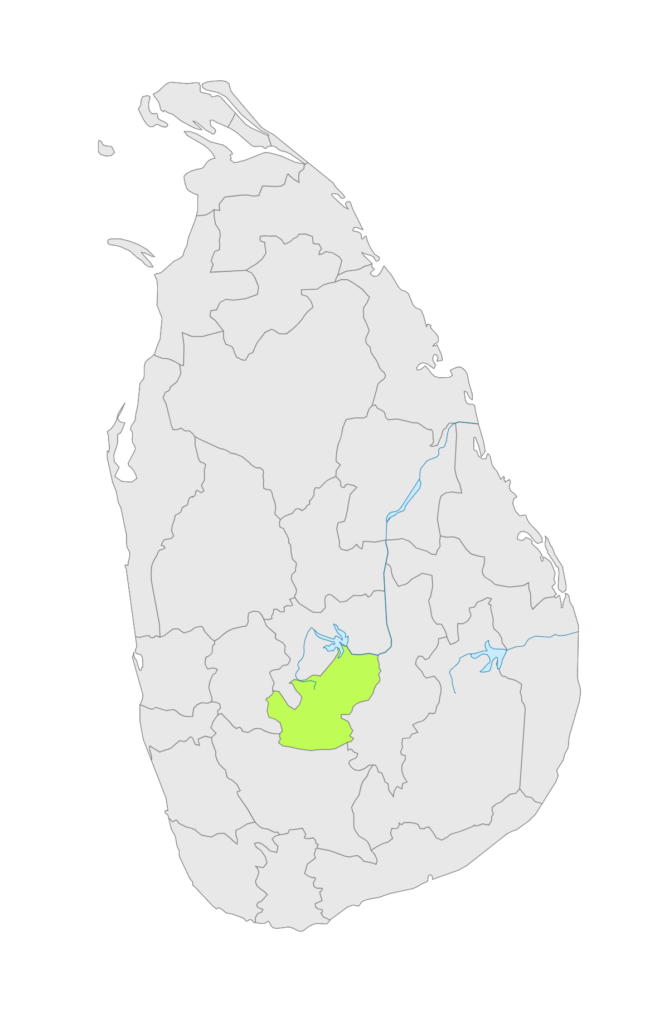
Trincomalee
Top Attractions in Trincomalee
Top Attractions in Trincomalee
No results found.
A first-time guide to Trincomalee
A first-time guide to Trincomalee
Why Trincomalee is worth your time and Opportunities to Visit
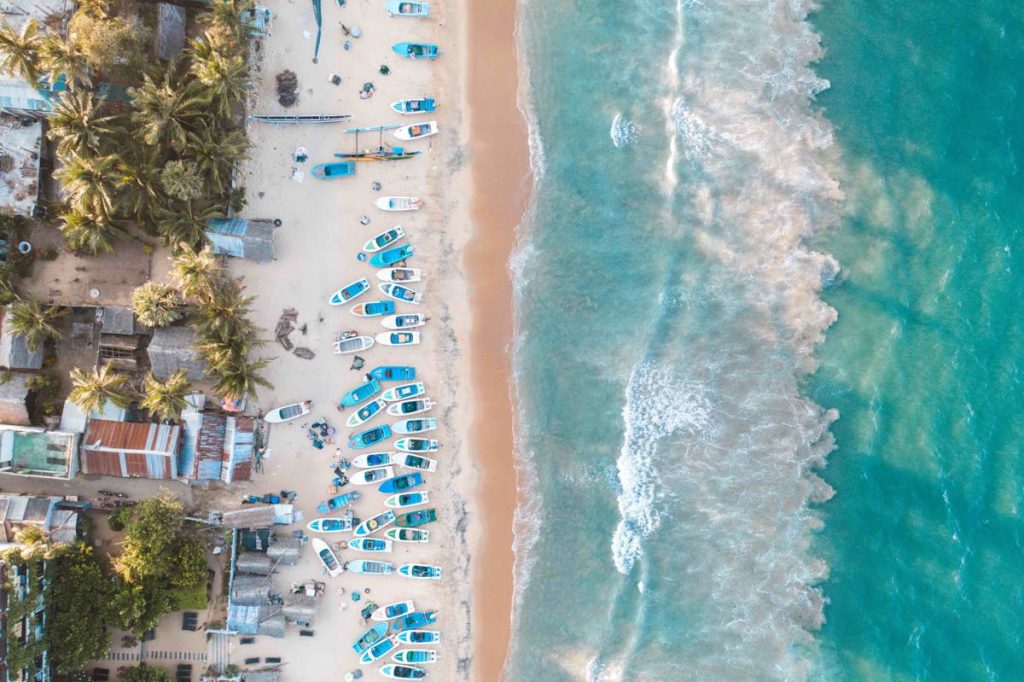
Trincomalee is worth it because it gives you beach and culture in the same base, without needing a complicated plan. You can do a morning temple and fort area visit, then spend the rest of the day on a proper east-coast beach like Uppuveli or Nilaveli. It is also one of the easiest places to get “holiday mode” without paying constant resort prices, because you can choose between town convenience and beach-area stays. The district suits couples, families, and solo travelers who want relaxed days, simple food, and short transfers rather than long drives. It’s also a strong choice when you want to travel during the southwest monsoon but still want sunshine. East coast seasonality flips the script. When conditions are right, Pigeon Island style snorkelling days add a memorable experience without a long inland detour. Trinco is best when you stay at least 3 nights, so you can spread out beaches, cultural stops, and one boat day without rushing.
Best time to visit
For the most reliable beach conditions, plan around the east coast dry season. Holidify describes May to October as the dry season in Trincomalee, with warm, clear ocean conditions that are ideal for snorkelling and swimming. Even in good months, start early for calmer seas and better water visibility, then keep afternoons for shade, town food, or a slow beach walk when the sun is strongest. If you visit outside peak beach months, keep your plan flexible. You can still enjoy temple visits, museums, and town food, but boat trips and snorkelling may be limited by sea conditions. Pack sun protection year-round and build a schedule that can swap: beach morning if calm, culture loop if windy. Trinco rewards travelers who plan buffers instead of trying to force perfect conditions every day.
Where to stay (by style and budget)
You have two practical bases: Trincomalee town for services and transport, or the beach zones like Uppuveli and Nilaveli for a simpler swim-eat-sleep routine. Town stays make it easier to find transport, ATMs, and a wider range of local food. Beach stays reduce daily travel time and give you better mornings, but you may need to plan tuk-tuks for town visits and confirm restaurant options nearby. For budget stays, prioritize clean rooms, strong AC, and reliable water pressure, since east-coast heat can be intense. Mid-range beach hotels often give the best value if you want comfort without paying resort premiums. Families should prioritize safe, swimmable beach access and shade. Solo travelers should prioritize a well-reviewed area with easy transport support from the property.
Shopping smart in Trincomalee
Shopping in Trincomalee is simple and should stay that way. Use town markets for practical items like snacks, fruit, sunscreen, and beach basics. Souvenir shopping is better treated as a small bonus rather than a major mission, because the best value purchases in Sri Lanka usually happen in larger hubs like Colombo. If you buy crafts or small gifts, compare two spots and keep receipts when possible. Avoid buying high-value items casually, especially gems and expensive jewelry without paperwork. Carry small cash for stalls and tuk-tuks, and avoid flashing large notes in crowded places. If you are staying in beach zones, expect slightly higher prices for convenience items. A good approach is to do one town shopping run, then keep daily spending to essentials and experiences.
Practical tips: safety, water, and essentials
Beach safety is the main practical concern. Swim only when the sea is calm and locals indicate it is safe. For snorkelling and boat trips, choose operators who provide life jackets and clear guidance. Drink bottled or treated water and be cautious with ice, especially at small beach shacks. Sun protection matters more than you think on the east coast, so carry sunscreen and hydration even on “cloudy” days. Transport planning also matters. If you stay outside town, arrange tuk-tuks or a driver through your hotel rather than assuming you can always find rides instantly. Keep offline maps and save your hotel pin. At night, stick to well-lit areas and keep routes simple. Trinco is generally relaxed, but the best trips come from basic preparation and smart timing.
Food, culture & unique experiences
Trinco is built for simple days done well: seafood meals, beach mornings, and short cultural stops. Start with Koneswaram Temple and Fort Frederick early, then move straight into beach time rather than trying to stack too many attractions in midday heat. Keep lunches practical and save the “nice dinner” for a beach evening when you can actually enjoy it. For unique experiences, plan one boat and snorkel day to Pigeon Island when conditions are good, and keep a backup day in your schedule in case the sea is rough. If you prefer land-based unique stops, add Kanniya Hot Water Springs as a short break between beach blocks. Trinco is best when you do one main activity per day and keep everything else light.
Latest Stories from Local about Trincomalee
Latest Stories from Local about Trincomalee
Galle, a charming coastal city in Sri Lanka, is a blend of history, culture, and stunning
Matara, a picturesque coastal town in Sri Lanka, is known for its stunning beaches, rich cultural
Galle, a charming coastal city in Sri Lanka, is a blend of history, culture, and stunning
Nestled in the heart of Sri Lanka, the Knuckles Mountain Range is a paradise for nature
Jaffna, located at the northern tip of Sri Lanka, offers a unique blend of culture, history,
Sri Lanka – the endless green of Ella”: This blog post delves into the verdant scenery
How to Reach Trincomalee
How to Reach Trincomalee
Train to Pettah, Colombo
A mid-cost, mid-comfort option that can feel easier than buses if you get a decent seat. Costs vary by class, often roughly LKR 300–2,500 depending on service. It’s best if the timetable matches your route and you can travel earlier in the day. You may still need a tuk-tuk on arrival for beach areas like Nilaveli or Uppuveli.
Public bus
Lowest cost option, typically around LKR 600–2,000 depending on route type and distance. Comfort is low and the ride is long, but buses are a common way locals travel and are usually the simplest budget choice. Best for travelers with time and light luggage. Expect limited space and slower travel, so avoid tight same-day connections.
Private car or taxi
Highest comfort and the easiest with luggage, but the most expensive. Rough range is often LKR 35,000–90,000 depending on pickup city, vehicle, and timing. Best for families, groups splitting costs, and anyone doing a direct hotel-to-hotel transfer. You can stop for meals and breaks, and you avoid changing vehicles, which reduces fatigue.
Shared minivan
Mid cost and mid comfort, usually cheaper than a private car but more comfortable than a bus. Availability varies by season and operator, and schedules can be limited. Best for solo travelers who want a balance of cost and comfort without navigating bus terminals. Confirm luggage allowance and pickup points in advance, as beach-area drop-offs may cost extra.
Transport Options in Trincomalee
Transport Options in Trincomalee
Private car with driver
Best comfort and the most reliable choice for stacking several stops in one day, like temples, hot springs, beaches, and viewpoints. Rough cost often runs LKR 10,000–30,000 per day depending on distance and duration. Easy to arrange via hotels, and it saves time compared with multiple tuk-tuks. This is the best option for families, groups, and travelers on a schedule.
Meter Tuk-Tuks (three-wheelers) or Taxi Cars - From the Streets
The most practical local option with decent access in town, Uppuveli, and many main beach areas. Typical rides often fall around LKR 400–2,000 depending on distance and time. Comfort is mid, but it’s flexible and quick for short hops. Agree the fare before starting if you are not booking through an app or your hotel, and keep small cash ready.
Boat operators for island trips
Essential for experiences like Pigeon Island. Costs vary widely based on group size, season, and inclusions, so expect anything from mid to high spend compared with land transport. Comfort depends on the boat and sea conditions. Book through reputable operators or your accommodation, confirm life jackets, and plan early departures for calmer seas and better visibility.
Public buses - Public Transport
Cheapest option for basic routes, often around LKR 40–300 depending on distance. Comfort is low and buses can be crowded, but access is generally good on main roads. It works for simple point-to-point movement if you have time and don’t mind asking locals for the correct stop. Not ideal for beach hopping with bags or for tight sightseeing loops.