- Regions of Sri Lanka
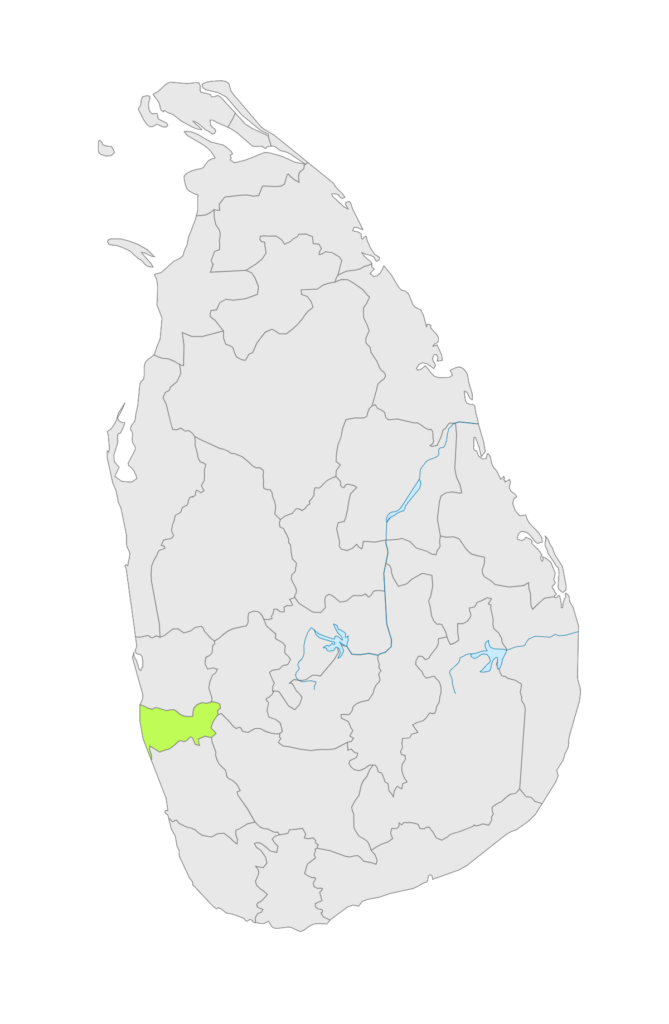
Ratnapura
Top Attractions in Ratnapura
Top Attractions in Ratnapura
No results found.
A first-time guide to Ratnapura
A first-time guide to Ratnapura
Why Ratnapura is worth your time and Opportunities to Visit
Ratnapura is worth your time because it combines a living gem economy with direct access to some of Sri Lanka’s most important natural and spiritual landscapes. Siyapatha Lanka calls it “the glittering heart of Sri Lanka’s gem trade” and emphasises its setting at the foot of the central highlands, with gems, rainforests, waterfalls, and spiritual landmarks all within reach. Lanka Excursions describes the valley and foothills of the Adam’s Peak massif and Sinharaja Range as being dotted with private gem mines, some of which allow visitors to approach and look into deep shafts, and notes that downtown Ratnapura is dominated by gem purchasing, with shop‑run “museums” that showcase mineralogy and cutting/polishing. This gives travellers a rare chance to see how sapphires and other stones are actually dug and traded, without needing to visit sterile showrooms in major cities. At the same time, Ratnapura is a springboard into major nature and pilgrimage experiences. TravelTriangle and Earth Trip list Sinharaja Forest Reserve, Udawalawe National Park, Bopath Ella, Bambarakanda Falls, Adam’s Peak, Maha Saman Devalaya, gem mines, and the Ratnapura National Museum among the top things to do in and around the district. Sinharaja, recognised by UNESCO as Sri Lanka’s last viable area of primary tropical rainforest with over 60% endemic trees, lies within reach via routes like Ratnapura–Kalawana–Weddala. Sri Pada (Adam’s Peak) is repeatedly described as one of the country’s most sacred mountains, with pilgrimage season running from December to May and trails illuminated in season; Ratnapura is a key western gateway to this tradition via routes like Kuruwita or Erathna. If you want one district that gives you mine shafts, markets, rainforest, waterfalls, elephants, and pilgrims, Ratnapura is uniquely dense.
Best time to visit
Because Ratnapura sits near the south‑west slopes and rainforests, weather can be wetter than many inland districts, but timing your activities matters more than finding a “dry only” month. For Sri Pada (Adam’s Peak), multiple pilgrimage guides and tour pages agree that the main pilgrimage season runs from about December to May, starting on the Unduvap full‑moon Poya in December and ending around Vesak full‑moon (April/May), with peak months January–March. During this period, trails are illuminated, tea and food stalls operate, and crowds are large but conditions are safer; off‑season (roughly May–November) is discouraged due to heavy rains, hazardous steps, and limited infrastructure. If Ratnapura is your base for a Sri Pada ascent, align your visit with this season and especially with clear‑sky windows. Sinharaja and waterfalls are slightly more flexible but still shaped by rain. UNESCO and Tourslanka call Sinharaja a wet, evergreen rainforest of about 11,000 ha, and government pages emphasise that it’s accessible via entries like Kudawa (via Ratnapura/Kalawana) and Pitadeniya/Deniyaya, and that conservation is a priority. While there’s no absolute “off-limits” period for visiting, you’ll have a more enjoyable time if you avoid days of torrential rain that can make leeches and trail conditions difficult. Many independent guides suggest visiting in relatively drier stretches and focusing hikes on mornings, when showers are less intense and light is softer under the canopy. For Bopath Ella and other falls, treat heavy rain as both a spectacle and a hazard-water volume soars, but rocks become dangerously slippery; go in clear spells and keep a respectful distance from powerful flows.
Where to stay (by style and budget)
Your base in Ratnapura should reflect your priorities: gems and town culture, rainforest, or pilgrimage. If you want to explore the gem scene and town landmarks, stay in or near Ratnapura city. Earth Trip describes the Gem Museum (Gemological Museum) as one of the best places to learn about history, geology, and gem processes, and also highlights the Ratnapura National Museum at Ehelapola Walawwa and Maha Saman Devalaya as major cultural stops; a central base makes walking or short tuk‑tuks to these easier. Budget guesthouses and mid‑range hotels in town provide convenience; check for good fans/AC, secure storage, and quiet rooms because traffic and trade can be busy. If your focus is Sinharaja, consider lodging closer to the Kudawa–Kalawana side or using Ratnapura as a stepping stone. Tourslanka notes that Sinharaja can be reached from northern or western parts of the country via Ratnapura, Kiriella, Kalawana, Weddala, and government/UNESCO sources mark Kudawa–Kalawana as a key western entrance. Eco‑lodges and homestays near these gateways give you earlier trail starts, more dawn birdsong, and easier returns after tiring hikes. For Sri Pada, some pilgrims stay in Ratnapura and transfer to Kuruwita/Erathna trailheads, while others pick accommodation closer to the actual starting points to shorten approach times; choose based on your fitness and whether you want a full night’s rest before the climb. Families may prefer stable town hotels with clearer facilities; solo nature‑seekers often enjoy more rustic rainforest lodges.
Shopping smart in Ratnapura
Ratnapura is the centre of Sri Lanka’s gem trade, so shopping requires both opportunity and caution. Lanka Excursions stresses that gem purchasing is the main business in Ratnapura’s downtown and that many shops run “gem museums” alongside showrooms; while these museums can be genuinely interesting for mineralogy, they also function as invitations to buy. Earth Trip notes that the Gem Museum is a good place to learn about history and geology and recommends seeking reputable, well‑reviewed dealers if you plan serious purchases. If you’re not an expert, treat Ratnapura as a place to learn and maybe buy a modest, well‑documented stone rather than to invest heavily. Always ask for authenticity certificates, keep receipts, and avoid unverified street sellers. Beyond gems, shopping should be practical. Use town markets and shops to buy water, snacks, torches, ponchos, and warm layers for Adam’s Peak (nights near the summit can be cold despite humid valleys). In Sinharaja gateway villages, options are limited; bring insect repellent, socks/leggings (for leeches), and waterproof covers from Ratnapura itself. For souvenirs, small, ethical items like spice packets, local sweets, or modest crafts from stalls near Maha Saman Devalaya or the museum are better than bulky or questionable “antique” relics. Set a budget in advance so you’re not pressured into gem purchases you’re unsure about.
Practical tips: safety, water, and essentials
Ratnapura’s safety considerations revolve around terrain, weather, and scams more than crime. At Sri Pada, pilgrimage guides emphasise that the December–May season is safer because trails are lit and facilities open; off‑season (roughly May–November) brings heavy rain, slippery steps, and limited services, making ascents risky. Regardless of season, carry layers (the 2,243 m summit can be cold), a rain jacket, and a headlamp, and pace yourself; pilgrims aim for the summit by dawn, but pushing too fast can cause exhaustion. Stay on main paths and respect the religious atmosphere. In Sinharaja, UNESCO and Tourslanka stress the forest’s density and biodiversity; leeches, wet roots, and sudden showers are real factors. Wear long socks or leech socks, closed shoes, and quick‑dry clothes; carry plenty of water and follow guides-getting lost in dense jungle is a serious risk. In Ratnapura’s gem areas, stick to authorised visit sites; some mines allow visitors, but shafts are deep and dangerous, and you should never enter or lean into them without clear permission and safety measures, as Lanka Excursions notes. Around waterfalls such as Bopath Ella and nearby falls, TravelTriangle warns that rocks are slippery and currents strong; enjoy from safe viewpoints, not from the edge of drop‑offs. Finally, be conservative with gem buying: if a deal seems too good to be true, it almost certainly is.
Food, culture & experiences
Food in Ratnapura mixes everyday Sri Lankan fare with a few more tourist‑oriented options near main roads. Expect rice‑and‑curry, hoppers, string hoppers, kottu, and short eats in tea shops and small restaurants. Plan heavier meals before long hikes or pilgrimages: dinner before a night ascent to Sri Pada, or a strong breakfast before a Sinharaja trek. Town bakeries and fruit stalls are useful for trail snacks. Around gem and market areas, small eateries often serve simple, spicy curries at low prices; if you’re not used to spice, ask for milder servings. Culturally, Maha Saman Devalaya and Sri Pada dominate. Earth Trip calls Maha Saman Devalaya arguably Ratnapura’s most important cultural and religious site, dedicated to deity Saman, the guardian of the region and Adam’s Peak, and notes its annual Esala Perahera as a major festival. Visiting the devalaya during a quieter time lets you see offerings and drums without huge crowds. Sri Pada itself is described by LeoLand Travels and SafariInSriLanka as a sacred pilgrimage where Buddhists see the footprint imprint as that of the Buddha, Hindus as Shiva’s, and others differently; the pilgrimage season features illuminated paths, stalls, and pilgrims chanting as they climb by night to see the sunrise and the mountain’s triangular shadow. On the nature side, Sinharaja’s endemic‑rich rainforest-highlighted by UNESCO for more than 60% endemic trees and rich birdlife-and nearby Udawalawe’s elephant herds give Ratnapura a strong “green” identity. Combine: gem museum and market, Maha Saman Devalaya, a Sinharaja trek, and either Sri Pada or Udawalawe for a full district experience.
Latest Stories from Local about Ratnapura
Latest Stories from Local about Ratnapura
Galle, a charming coastal city in Sri Lanka, is a blend of history, culture, and stunning
Matara, a picturesque coastal town in Sri Lanka, is known for its stunning beaches, rich cultural
Galle, a charming coastal city in Sri Lanka, is a blend of history, culture, and stunning
Nestled in the heart of Sri Lanka, the Knuckles Mountain Range is a paradise for nature
Jaffna, located at the northern tip of Sri Lanka, offers a unique blend of culture, history,
Sri Lanka – the endless green of Ella”: This blog post delves into the verdant scenery
How to Reach Ratnapura
How to Reach Ratnapura
Shared minivan/transfer
Shared vans on Colombo–Ratnapura–Balangoda or Colombo–Sri Pada corridors give a mid‑range alternative, often costing about LKR 2,500–7,000 per person depending on route and operator. Comfort is mid to high with AC and guaranteed seats, but departure times and pickup/drop points are fixed. You’ll usually need a tuk‑tuk at the Ratnapura end to reach your accommodation or further buses to Kalawana/Kuruwita. Good for solo travellers wanting more comfort than buses.
Public bus
Frequent buses run between Colombo and Ratnapura and on to Balangoda, Embilipitiya, and other towns. Fares are low, typically around LKR 200–900 depending on distance and bus type. Comfort is basic: crowded at peak times and sometimes hot, but services are regular. Once in Ratnapura, tuk‑tuks take you to hotels, gem areas, Maha Saman Devalaya, and onward junctions for Sinharaja or Sri Pada trailheads.
Taxi/private car
A private car offers the most comfortable way to reach Ratnapura, especially if you’re combining it with Sinharaja, Sri Pada, or Udawalawe. Expect roughly LKR 15,000–40,000 from Colombo or similar distances depending on vehicle and exact route. Comfort is high with AC and flexible stops at viewpoints or small falls. This is ideal for families, nature groups, or pilgrims wanting to arrive rested before a climb or trek.
Self drive (car/motorbike)
Self‑driving gives maximum flexibility for linking Ratnapura with Sinharaja, Sri Pada, Udawalawe, and hill-country routes. Costs depend on rental and fuel, but you gain control over departure times and stops. Roads include busy highways and narrower, winding stretches toward Kalawana and hill slopes. Avoid night driving on unfamiliar, wet roads and keep offline maps handy.
Transport Options in Ratnapura
Transport Options in Ratnapura
Private car with driver
A car and driver greatly simplifies multi‑site days: gem mines + Maha Saman Devalaya + Bopath Ella, or Ratnapura base to Sinharaja Kudawa entrance, or to Sri Pada trailheads and back. Day rates typically range from LKR 10,000–25,000 depending on mileage. Comfort is high and you can time your day around weather and crowds. This is the best option for families, groups, and pilgrims aiming to start climbs or treks at precise times.
Meter Tuk-Tuks (three-wheelers) or Taxi Cars - From the Streets
Tuk‑tuks are ideal for short trips around Ratnapura town: gem museums, markets, Maha Saman Devalaya, Bopath Ella access roads, or bus stands. Typical fares for short rides are around LKR 300–1,800 depending on distance and time. Comfort is basic but flexible. For early departures to Kalawana or Kuruwita junctions, arrange tuk‑tuks in advance through your guesthouse to avoid delays.
Guided/Specialist transfers (Sinharaja &Sri Pada)
Good for continuing the trip by rail. Fort is a key station for intercity services, so it’s one of the simplest places to start long routes and find reserved seats when available. Arrive early if you want calmer boarding.
Public buses - Public Transport
For Sinharaja and Sri Pada, many lodges and agencies offer package transfers or guided transport directly to entrances. Sinharaja guides note that from Ratnapura you can reach the Kudawa-Kalawana entrance by bus plus tuk‑tuk or private vehicle, and that private transfers are more comfortable for early starts. Sri Pada organizers similarly arrange vehicles to Kuruwita or other trailheads timed for night ascents. Costs are mid to high compared with DIY but add safety and convenience.