
- Regions of Sri Lanka
Puttalam
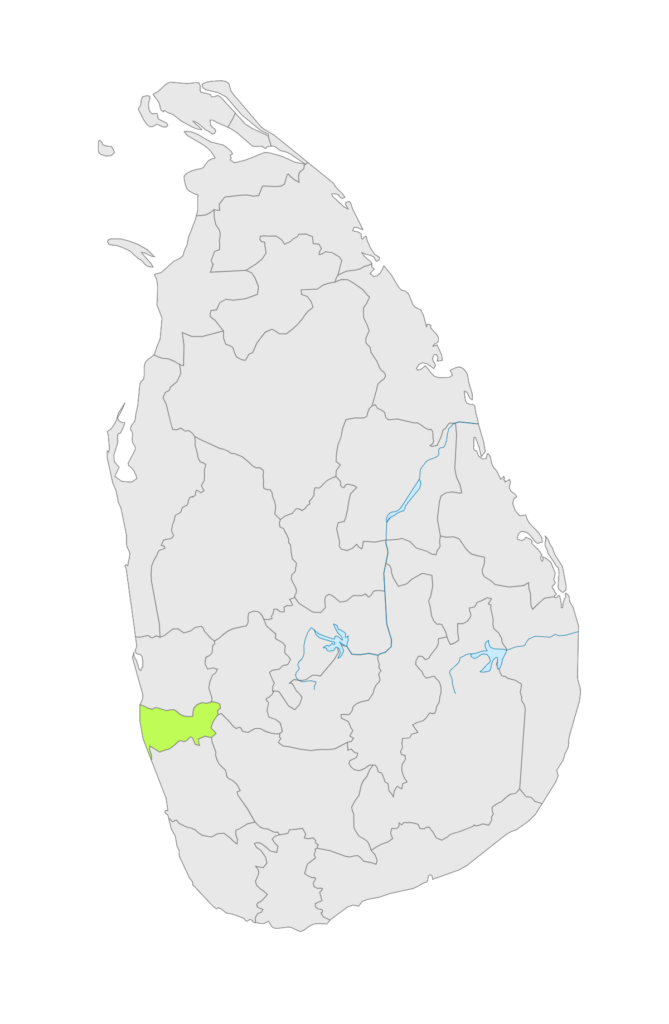
Top Attractions in Puttalam
Top Attractions in Puttalam
No results found.
A first-time guide to Puttalam
A first-time guide to Puttalam
Why Puttalam is worth your time and Opportunities to Visit
Puttalam is worth your time because it delivers two very different nature experiences in one district: open-sea wildlife and quiet wetland biodiversity. Kalpitiya is highlighted by multiple travel sources as Sri Lanka’s dolphin‑watching hub, with November to April repeatedly described as the best window due to calmer seas and good visibility, and some sources noting February to March as especially strong for large numbers. On a good morning you’ll see large pods close to shore, then return to a slow peninsula rhythm-lagoon views, sandbar walks, and simple seafood meals-without the crowd intensity of more famous beach belts. The second reason is Anawilundawa, which gives you “serious” birding without needing a full national-park safari. Sources describe it as a 1,397‑hectare wetland sanctuary between Chilaw and Puttalam that became Sri Lanka’s second Ramsar wetland site in 2001 and functions as an internationally important wintering ground for migratory water birds. It’s also noted for the unique convergence of coast, mangroves, and freshwater tanks, which explains why bird diversity is so strong in a compact area. If you like nature that feels calm, local, and unmanufactured, Puttalam’s marine-plus-wetland pairing is an excellent use of time.
Best time to visit
For Kalpitiya dolphin watching, multiple travel sources describe the best season as November to April, aligning with calmer seas and better visibility, and some specifically flag February-March as peak months for higher numbers. If dolphins (and possible whale sightings) are your main goal, plan your visit in that window and schedule the boat trip early in the morning when sea conditions are often smoothest. Keep one buffer day if possible, because wind and swell can cancel departures even in “good” season. For Anawilundawa, the most enjoyable periods are typically when migratory birds are present and the wetland edges are accessible. Anawilundawa is described as an important wintering ground for migratory water birds, and Ramsar‑focused destination write‑ups frame it as a major birding site. Practically, you’ll get your best bird activity early morning and late afternoon, regardless of month, and you’ll appreciate drier days for walking tank bunds without muddy sections. Plan a day structure that alternates: one marine morning (dolphins), one wetland morning (birds), then slower lagoon sunsets, instead of trying to stack everything into a single rushed day.
Where to stay (by style and budget)
Most travelers choose one of two stay styles: Kalpitiya peninsula for ocean-and-lagoon adventure, or a Chilaw/Puttalam corridor base to reach Anawilundawa more easily. If your priority is dolphins, stay in Kalpitiya so you can depart early without long road transfers and can rebook quickly if weather cancels a trip. Sources emphasize that dolphin watching is seasonal and dependent on sea conditions, so being close to the jetty helps you use short “good weather” windows. In Kalpitiya, look for eco‑lodges and small resorts rather than expecting big-city hotel variety. If your focus is birding at Anawilundawa, staying nearer Chilaw or along the main corridor can reduce commute time to the sanctuary. Travel descriptions place Anawilundawa between Chilaw and Puttalam and near the railway line, so a base with quick road access matters more than beachfront aesthetics. In all cases, prioritize basics: reliable water, fans/AC (it can be hot), mosquito control, and staff who can arrange early starts. Budget guesthouses can work well if clean and quiet; mid‑range stays usually provide the best recovery after sun-and-wind boat mornings.
Shopping smart in Puttalam
Shopping in Puttalam District is largely functional and local. In Kalpitiya, the “useful buys” are practical travel items: sunscreen, hats, dry bags, light clothing, and snacks for early boat departures. Because dolphin trips are time-sensitive and start early, you don’t want to waste mornings hunting for basics; stock up the day before. Sources focusing on dolphin watching emphasize sea conditions and visibility, which also means you should shop for sun and spray protection rather than souvenirs. For keepsakes, keep it simple: packaged local snacks, modest crafts, or small home items from town shops if you find quality. Around Anawilundawa, shopping is minimal—treat that day as a nature day, not a retail day. Destination write‑ups frame Anawilundawa as a protected wetland and Ramsar site, so avoid buying anything that could encourage wildlife exploitation (feathers, shells, coral fragments). Carry smaller cash notes, since smaller shops may not break large bills. If you want bigger shopping, do it in Colombo or larger coastal cities.
Practical tips: safety, water, and essentials
For Kalpitiya boat trips, safety is about sea conditions, sun, and choosing responsible operators. Because multiple sources tie the best dolphin season to calmer months, you should still expect the ocean to change quickly; follow crew instructions, wear life jackets when provided, and protect electronics from spray. Bring sun protection (hat, sunscreen) and hydrate well—boat mornings can feel cool from wind but still cause fast dehydration. If you get motion sickness, take precautions the night before. At Anawilundawa, safety is mostly about heat, insects, and staying respectful in a protected wetland. It’s described as a sanctuary and Ramsar site with a strong migratory bird role, so keep noise low, avoid approaching nests, and do not leave plastic behind. Wear closed shoes for tank bunds, carry repellent, and keep water with you. Go early for birds and to avoid midday sun. If you’re self-driving, fuel up before heading into quieter areas. Save offline maps, because wetland access roads can be confusing to first-time visitors.
Food, culture & experiences
Food in Puttalam District fits its geography: simple coastal seafood and hearty Sri Lankan meals rather than fine dining. In Kalpitiya, plan meals around your boat schedule-an early breakfast, a substantial lunch after the trip, and an easy dinner by the lagoon. The unique experience is clearly the dolphin watching itself: sources consistently highlight November to April as the best season and describe calm seas and good visibility as key to sightings. Treat it as wildlife: sightings are likely in season but never guaranteed. For a quieter “culture of place,” Anawilundawa provides a different kind of uniqueness-watching ecosystems overlap. Love Sri Lanka and ecotourism descriptions emphasize that coast, mangrove, and freshwater tank habitats meet here, creating a wetland that is both scenic and ecologically important. A great day looks like: sunrise birding at the tanks, a slow lunch in nearby towns, then a sunset lagoon view back toward Kalpitiya. If you want depth, bring binoculars and learn a handful of common bird IDs; it makes the sanctuary feel like a living field guide instead of “just a walk.”
Latest Stories from Local about Puttalam
Latest Stories from Local about Puttalam
Galle, a charming coastal city in Sri Lanka, is a blend of history, culture, and stunning
Matara, a picturesque coastal town in Sri Lanka, is known for its stunning beaches, rich cultural
Galle, a charming coastal city in Sri Lanka, is a blend of history, culture, and stunning
Nestled in the heart of Sri Lanka, the Knuckles Mountain Range is a paradise for nature
Jaffna, located at the northern tip of Sri Lanka, offers a unique blend of culture, history,
Sri Lanka – the endless green of Ella”: This blog post delves into the verdant scenery
How to Reach Puttalam
How to Reach Puttalam
Public bus
Public buses are the cheapest way to reach Puttalam/Kalpitiya corridors from Colombo and west-coast towns. Expect roughly LKR 300–1,200 depending on distance and bus type. Comfort is low to mid: crowded seats, limited luggage ease, frequent stops. It’s best for solo budget travelers with light bags. After reaching a hub town, you’ll often need a tuk‑tuk or local bus for the final leg to a lodge or lagoon point.
Train
Train can be a cost-effective, relatively comfortable way to reach the Chilaw–Puttalam corridor, especially if you’re targeting Anawilundawa, which is described as sitting near the Chilaw–Puttalam railway line. Tickets are usually low-cost (often LKR 100–600 for many routes), with comfort depending on seat availability. You still need a short tuk‑tuk or taxi from the station to the sanctuary or to Kalpitiya-bound roads.
Taxi/Private car
A private car is the most comfortable and time-efficient option to reach Kalpitiya or to combine Anawilundawa + coastal stays. Expect roughly LKR 18,000–45,000 from Colombo area depending on vehicle and exact destination. Comfort is high with AC and direct drop-off, and you can depart early for dolphin trips without relying on bus timing. This is best for families, groups, and travellers on fixed schedules.
Shared minivan/transfer
Shared vans sit mid-range in both price and comfort, often costing roughly LKR 3,000–8,000 per person depending on route and demand. Comfort is mid to high (seat guaranteed, often AC), but pickup points are fixed and board/gear policies vary. This option is good for solo travelers going to Kalpitiya in peak season who want less hassle than buses, but it requires booking ahead and being on time.
Transport Options in Puttalam
Transport Options in Puttalam
Tuk-tuk
Tuk‑tuks are the easiest last‑mile solution in Kalpitiya and near towns, good for short hops to jetties, restaurants, and shops. Typical short rides can be around LKR 300–2,000 depending on distance and timing. Comfort is basic but access is good in tourist pockets. For Anawilundawa, tuk‑tuks can work if you hire for a half day and confirm the driver will wait, since return pickups can be scarce.
Private car with driver
Hiring a car and driver for the day is the smoothest way to combine Anawilundawa birding with lagoon/coast stops, especially if you want early starts and shade between sites. Expect around LKR 10,000–25,000/day depending on mileage. Comfort is high with AC and secure storage for binoculars and cameras. Access is easy if booked through hotels or local agents, and it reduces the risk of being stranded after wetland walks.
Dolphin-watching boat operator
For Kalpitiya, the boat operator is the “transport” that matters most. Prices vary by season and group size, but expect a mid-to-high activity cost compared with local road rides (often several thousand LKR per person or a private boat fee). Comfort depends on vessel type; seas are a factor. Access is straightforward through hotels and tour desks, especially in the November–April season highlighted by travel sources.
Local bus
Local buses are the lowest-cost option for moving between Puttalam town, Chilaw-side routes, and some peninsula junctions, usually in the LKR 40–300 range for local segments. Comfort is low, schedules can be vague for visitors, and you’ll often walk or tuk‑tuk from the stop to the exact site. Use this if you’re budget-driven and flexible; avoid it for tight morning wildlife schedules.