- Regions of Sri Lanka
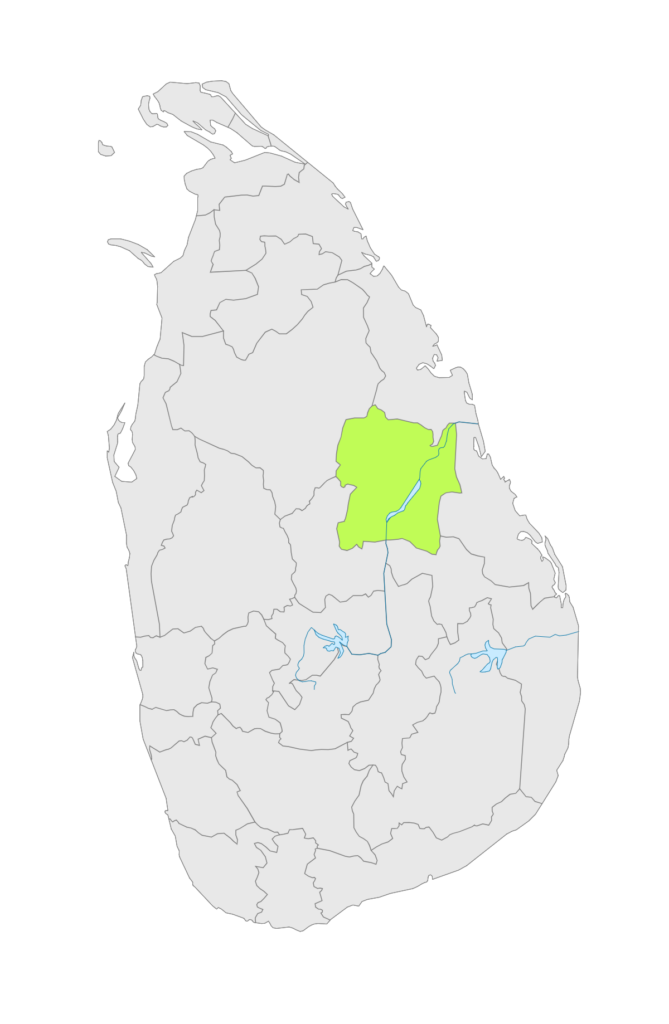
Polonnaruwa
Top Attractions in Polonnaruwa
Top Attractions in Polonnaruwa
No results found.
A first-time guide to Polonnaruwa
A first-time guide to Polonnaruwa
Why Polannaruwa is worth your time and Opportunities to Visit
Polonnaruwa is worth your time because it condenses Sri Lanka’s medieval height-architecture, art, and hydraulic engineering-into a compact, readable landscape. UNESCO notes that after Anuradhapura’s destruction in 993, Polonnaruwa became the island’s second capital and that its ruins preserve both Chola‑built Brahmanic temples and the “fabulous garden‑city” planned by Sinhalese kings, especially Parakramabahu I. Visit Sri Lankan and Camlo Lanka describe the site as a treasure trove of ancient architecture, pointing out the Royal Palace, Council Chamber, and the Sacred Quadrangle with Vatadage, Thuparama, Hatadage, and other structures packed into a walkable space that lets you see moonstones, guardstones and image houses in sequence, rather than scattered. You’re not just seeing isolated ruins; you’re moving through a coherent royal and ritual core. The second reason is Gal Vihara plus water engineering. Gal Vihara, originally called Uttararama, was built in the 12th century by Parakramabahu I and features four Buddha images carved from a single rock: a main seated figure, a smaller seated figure in an artificial cave, a standing figure, and a 46‑ft‑4‑in (14.12 m) reclining Buddha showing parinirvana. These statues are repeatedly described as the high point of Sinhalese stone carving and Polonnaruwa’s most visited monument. On the hydraulic side, Parakrama Samudra spans around 12,000 acres and is highlighted as one of ancient Sri Lanka’s most impressive reservoirs; guides emphasise the king’s famous dictum that not one drop of rainwater should flow to the ocean unused and note that he built or restored hundreds of dams, canals, and reservoirs, with this tank as his crowning achievement. Few places let you stand before such refined sculpture in the morning and beside a vast medieval lake bund at sunset in the same day.
Best time to visit
Polonnaruwa lies in the dry zone; heat and exposure are constants, so “best time” is as much about daily rhythm as season. Travel guides and blogs suggest the overall Cultural Triangle, including Polonnaruwa, is most comfortable in the drier months roughly from December to March, with lower rainfall and more manageable humidity for full‑day ruin circuits. Even then, stone and sand surfaces heat up quickly, making sunrise and late afternoon the prime times for extended walking and cycling among sites like the Royal Palace, Sacred Quadrangle, Rankoth Vehera, Kiri Vihara, and Gal Vihara. In hotter or slightly wetter months, shorten midday exposure and lean on shaded museum visits or rest. Parakrama Samudra adds a seasonal wildlife dimension. Visit Sri Lankan notes that the reservoir, covering about 12,000 acres, once irrigated around 18,000 acres of paddy and now offers scenic bund walks and boat rides; the Parakrama Samudra editorial and other notes highlight that such reservoirs attract water birds like cormorants and pelicans. Early morning or late afternoon bund walks give better bird activity and softer temperatures. For Minneriya and Kaudulla safaris (often accessed from or via Polonnaruwa), many operators target the dry‑season “Gathering” when elephants congregate at shrinking tanks-timing can vary, but roughly June-September is often cited as strong, depending on rainfall. Aligning your Polonnaruwa stay to straddle good ruin light and at least one favourable park day will maximise your experience.
Where to stay (by style and budget)
Staying near Polonnaruwa town or along the Parakrama Samudra bund is the simplest way to make the most of the district. Sithiyam Travel and other guides frame Polonnaruwa as a compact UNESCO city that’s easy to explore by bicycle or tuk‑tuk, suggesting at least 1–2 full days for ruins plus an extra day if you want a safari. Budget travellers can stay in guesthouses and small hotels near the main road, museum, or lake bund; check for strong fans/AC, reliable water, and early breakfast options, since dawn ruin visits are common. Mid‑range lakeside hotels often provide the best comfort‑to‑effort ratio: quicker access to the park gate and bund, on‑site restaurants, and help with hiring guides and drivers. If you’re strongly focused on wildlife, you can split your base-one or two nights near the ruins, then a night closer to Minneriya or Kaudulla park entrances-but many visitors manage with a single Polonnaruwa base, as Lakpedia notes that the district’s top places include both cultural sites and nearby national parks. Families may want properties with gardens and pools to counter long hot ruin circuits; couples often prefer boutique stays with lake views and bicycle rental. Solo travellers will appreciate central locations near food options and bus/rail connections. Wherever you stay, ask about bicycle quality, tuk‑tuk day‑hire rates, and sunrise/sunset access timings for main sites so you can plan around light and heat.
Shopping smart in Polannaruwa
Shopping in Polonnaruwa should be purposeful and light. Around the museum and key entrances you’ll find stalls selling drinks, snacks, and small souvenirs, but the UNESCO description and multiple guides emphasise Polonnaruwa primarily as an archaeological and spiritual site; it’s best to think of purchases as practical aids (water, hats, umbrellas, snacks) plus a few carefully chosen mementos rather than a major retail stop. Stock up on water and fruit in town before long ruin circuits; cycling or walking between Rankoth Vehera, Kiri Vihara, Gal Vihara and the Quadrangle will dehydrate you faster than you expect. For souvenirs, focus on ethically sourced, portable items: books, postcards, or crafts inspired by moonstones, guardstones, and Buddha images, preferably from reputable shops or museum outlets. Avoid buying anything that looks like an original carved stone or fragment; UNESCO status and Sri Lanka’s heritage laws make artefact trade particularly problematic here. In villages around Minneriya/Kaudulla, any “elephant souvenirs” should be scrutinised to avoid encouraging exploitative tourism. Spend on good guiding, bicycle hire, and local food instead of heavy trinkets. Carry small denominations of cash for tuk‑tuks, park entry add‑ons, and snacks; some mid‑range hotels and bigger restaurants will accept cards, but small vendors may not.
Practical tips: safety, water, and essentials
Polonnaruwa’s main challenges are sun, distance, and temple etiquette rather than complex urban safety. The ruins area is extensive; Sithiyam and other guides recommend either cycling or using tuk‑tuks to cover it, with multiple stops and walking segments. Wear lightweight, modest clothing covering shoulders and knees (especially for image houses and stupas), a hat, and sturdy sandals or shoes. You’ll remove footwear at some shrines, so bring thin socks if hot stones bother you. Hydrate constantly and consider carrying electrolyte packets; heat exhaustion is more common than you think when you’re focused on carvings and photography. At Gal Vihara, respect barriers and instructions: the reclining Buddha is 14.12 m long and is explicitly identified in sources as depicting parinirvana, not a simple resting pose; treat the area as an active sacred space, keep voices low, and avoid turning carved platforms into sitting spots. In parks like Minneriya/Kaudulla, follow jeep drivers’ guidance-stay inside vehicles near elephants, keep noise down, and never feed animals. At Parakrama Samudra, bund paths are generally safe but can be uneven; avoid walking close to edges in poor light and be cautious if cycling near traffic. As always, save offline maps, pin your accommodation and key entrances, and avoid very late‑night wandering in unfamiliar streets.
Food, culture & experiences
Food in Polonnaruwa is centred on simple Sri Lankan dishes and traveller‑friendly eateries along the main roads and near the lake. Expect rice‑and‑curry, kottu, hoppers, roti, and fruit juices. Plan your meals around heat and site visits: an early breakfast before ruins, a substantial lunch in town between circuits, and a lighter dinner after a sunset at Parakrama Samudra or an elephant safari. Guides often mention lakeside strolls and boat rides at Parakrama Samudra, which pair well with low‑key evening meals overlooking the water. Culturally, the standout experiences are layered. At the Sacred Quadrangle, Camlo Lanka highlights the Vatadage as an architectural masterpiece, possibly built to house the Tooth Relic, with concentric terraces, guardstones, staircases, and seated Buddhas; walking clockwise here at a quiet hour gives a concentrated sense of Polonnaruwa’s artistry. Gal Vihara, with its four images-in particular the subtle details of the reclining Buddha’s pillow depression, lotus symbols on soles and pillow, and the standing figure’s debated identity-shows how sculptors used natural rock marbling and fine carving for spiritual expression. Parakrama Samudra’s bund, combined with the oft‑quoted maxim that not one drop of rainwater should reach the ocean unused, connects you to the island’s “greatest ancient water civilisation,” as one editorial puts it. Finally, an afternoon safari at Minneriya or Kaudulla to see elephants against tank backdrops completes a district experience that moves from royal halls, through stone Buddhas, to living wildlife.
Latest Stories from Local about Polonnaruwa
Latest Stories from Local about Polonnaruwa
Galle, a charming coastal city in Sri Lanka, is a blend of history, culture, and stunning
Matara, a picturesque coastal town in Sri Lanka, is known for its stunning beaches, rich cultural
Galle, a charming coastal city in Sri Lanka, is a blend of history, culture, and stunning
Nestled in the heart of Sri Lanka, the Knuckles Mountain Range is a paradise for nature
Jaffna, located at the northern tip of Sri Lanka, offers a unique blend of culture, history,
Sri Lanka – the endless green of Ella”: This blog post delves into the verdant scenery
How to Reach Polonnaruwa
How to Reach Polonnaruwa
Train+bus/Tuk tuk
You can reach the wider area by train on main lines (for example via Habarana or other junctions) and then continue by bus or tuk‑tuk to Polonnaruwa. Rail fares are usually in the LKR 300–2,000 range depending on class and distance, with comfort mid to high if seated. This combo offers a scenic, relatively smooth ride followed by a shorter road leg. It suits travellers who prefer trains and can manage an extra transfer.
Public bus
Intercity buses connect Polonnaruwa with Colombo, Dambulla, Anuradhapura, Trincomalee, and other hubs. Fares are low (typically LKR 400–1,800 depending on distance and bus type). Comfort is basic-crowded, hot, with limited luggage space - but departures are frequent, making buses a good budget choice. From the bus stand, tuk‑tuks take you to hotels, museum, or the main site entrance.
Taxi/ Private car
A private car is the most comfortable and time‑efficient way to reach Polonnaruwa, especially if you’re chaining together Anuradhapura, Sigiriya/Dambulla, Trincomalee or Passikudah. Expect roughly LKR 25,000–75,000 depending on origin and vehicle. Comfort is high with AC and direct drop‑off at your accommodation. You can time your arrival to head straight for an evening walk at the Sacred Quadrangle or a sunset on Parakrama Samudra’s bund.
Shared minivan/transfer
Shared transfers offer mid‑range price and comfort on popular routes (e.g., Colombo–Dambulla–Polonnaruwa, Kandy–Polonnaruwa, Sigiriya–Polonnaruwa), often costing around LKR 3,000–10,000 per person. Comfort is mid to high with AC and reserved seats, but schedules and pickup points are fixed. You’ll still use tuk‑tuks at the end to reach your hotel. This works well for solo travellers seeking a faster, smoother ride than buses without paying for a full taxi.
Transport Options in Polonnaruwa
Transport Options in Polonnaruwa
Bicycle rental
Bicycles are one of the best ways to explore Polonnaruwa’s ruins at your own pace. Rental costs are moderate (often around LKR 1,000–3,000 per day depending on bike quality). Comfort depends on your fitness and tolerance for heat, but you gain flexibility to stop at every moonstone, shrine, and stupa. Rentals are widely available near guesthouses and along main tourist streets. Start early and carry water.
Safari jeep (Minneriya/ Kaudulla)
For Minneriya and Kaudulla national parks, you’ll use 4x4 safari jeeps arranged via hotels or local operators. Costs vary (often several thousand LKR per person or a per‑jeep rate), with early morning and afternoon slots standard to match wildlife activity. Comfort is mid; jeeps are open or semi‑open for viewing. Book ahead in peak “Gathering” seasons and always follow driver and ranger instructions around elephants.
Meter Tuk-Tuks (three-wheelers) or Taxi Cars - From the Streets
Tuk‑tuks provide quick, flexible transport between your hotel, museum, Sacred City, Gal Vihara, and Parakrama Samudra. Short trips are usually LKR 300–1,800 depending on distance; you can also negotiate half‑day or full‑day circuits. Comfort is basic but shaded, and you avoid fatigue from long rides in strong sun. Tuk‑tuks are easy to find near the bus stand, museum, and main site entrances.
Private car with driver
A private car and driver is ideal if you prefer AC between sites or want to combine ruins, Parakrama Samudra, and park gates smoothly. Day rates typically range from LKR 12,000–30,000 depending on mileage. Comfort is high and you can structure your day around light and heat. This option suits families, older travellers, and anyone with limited time who wants to minimise navigation stress.