- Regions of Sri Lanka
Kalutara
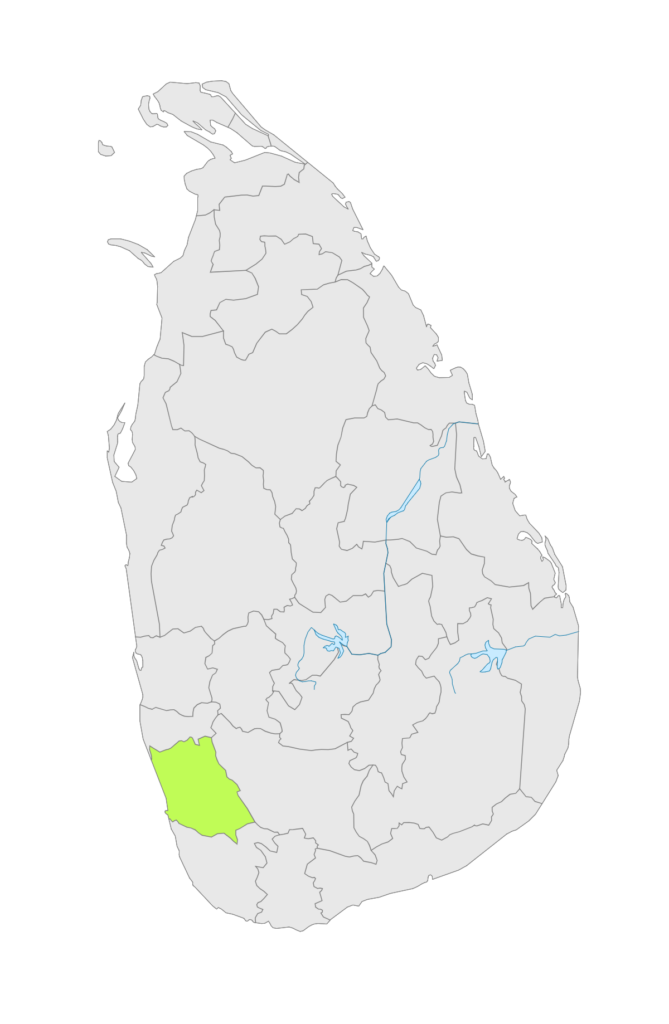
Top Attractions in Kalutara
Top Attractions in Kalutara
No results found.
A first-time guide to Kalutara
A first-time guide to Kalutara
Why Kalutara is worth your time and Opportunities to Visit
Kalutara is worth it when you want southern coast vibes without committing to long drives. You can do a cultural landmark, a beach walk, and a market meal in one easy day. It’s also a good fit for travelers who value simple logistics: it sits on a main corridor, so you can arrive, rest, and continue south without burning a full day in transport. For families, it offers calmer evenings and easier pacing than bigger cities. The district is not about “collecting” attractions. It’s about a balanced travel day. One heritage stop, one beach block, then an easy dinner and sleep. If you’re building an itinerary that includes deeper south coast or national parks later, Kalutara can reduce travel fatigue by splitting long journeys into manageable legs.
Best time to visit
Dry-season months generally make beach days and walking more comfortable, but Kalutara works year-round if you plan around short rain bursts. If you want the easiest routine, do mornings outdoors, keep afternoons for indoor stops or rest, then return to the coast for sunset. Sea conditions can change, so swim only when it looks calm and locals suggest it’s safe. In wetter periods, swap long beach blocks for shorter shoreline walks and add indoor or covered stops. Carry a compact umbrella and sandals that handle wet ground. If your schedule is tight, avoid stacking too many far stops in one day. Kalutara is best when you keep your plan simple and repeatable.
Where to stay (by style and budget)
Beachfront stays give the easiest routine for couples and families: morning walk, breakfast, rest, then sunset. If you prefer quieter nights, choose a property slightly off the main road but still close enough for easy tuk-tuk access. Mid-range hotels often offer the best value here, especially if you want AC, parking, and reliable staff support for transport bookings. Budget stays can be good, but check cleanliness, water pressure, and noise levels. If you rely on public transport, staying closer to main roads reduces last-mile hassle. For short stays, comfort and location matter more than fancy extras. Choose a base that keeps daily movement short, since traffic and heat can add fatigue faster than you expect.
Shopping smart in Kalutara
Kalutara shopping is mainly local and practical: snacks, fruit, spices, and everyday items. For larger shopping like clothing or premium gifts, Colombo offers better selection and clearer pricing. In markets, keep your bag secure and carry small cash. Bargaining is usually moderate, but tourist-facing stalls near busy zones can quote higher prices. A good rule here is to buy what you will actually use: spices, snacks, small practical souvenirs. Avoid high-value items like gems bought casually. If you want crafts, compare two shops and ask for receipts when possible. Kalutara is better for simple shopping and local food than for big souvenir hunts.
Practical tips: safety, water, and essentials
Beach safety is the key practical issue. Swim only when conditions are calm and avoid rough surf zones. Keep valuables secure on beach walks and do not leave phones unattended. Drink bottled or treated water and be cautious with ice at roadside places. If you are doing day trips, start early and return before late evening to keep transport simple. Carry sunscreen, water, and a light rain layer. If using tuk-tuks, confirm the fare before starting. If you are traveling with kids, choose calmer beach areas and keep afternoons flexible. Kalutara is a low-stress district when you plan with simple routines and avoid pushing long multi-stop days in peak heat.
Food, culture & unique experiences
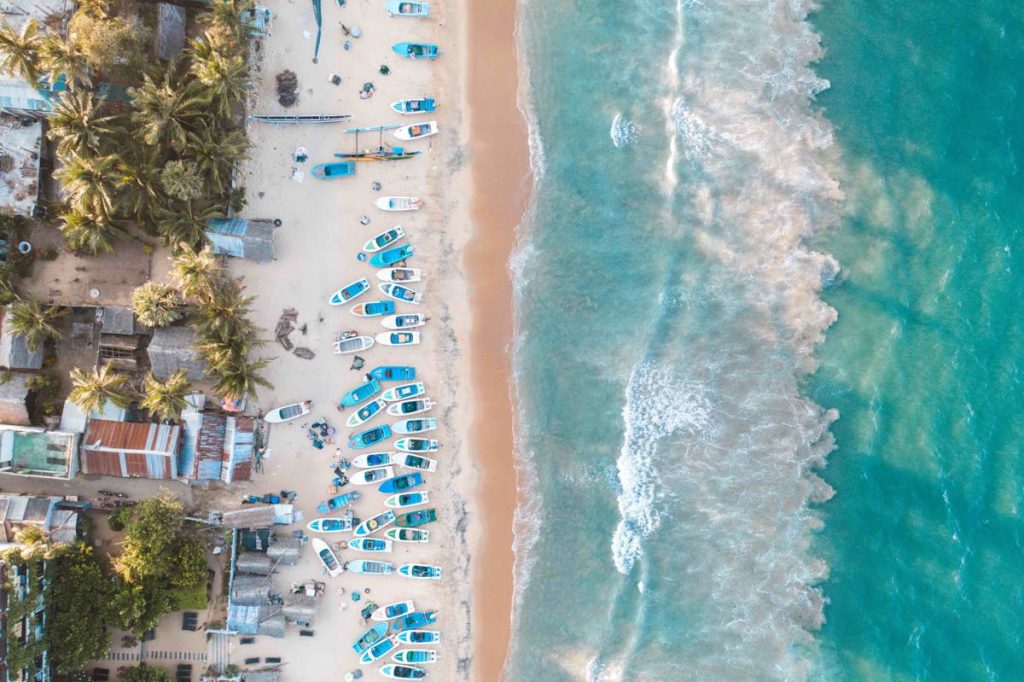
Kalutara is best for simple Sri Lankan meals paired with a couple of cultural stops. Do a shrine or heritage visit early, then move to a local lunch spot for rice and curry or seafood depending on where you stay. Keep evenings easy with a beach walk and early dinner. You do not need a packed plan to enjoy this district. For unique experiences, pair a river or estuary viewpoint with a heritage stop, then let the rest of the day be beach time and food. Early morning light is great for photos along the river and coast. Kalutara’s win is balance: light sightseeing, easy eating, and a calm place to reset between bigger destinations.
Latest Stories from Local about Kalutara
Latest Stories from Local about Kalutara
Galle, a charming coastal city in Sri Lanka, is a blend of history, culture, and stunning
Matara, a picturesque coastal town in Sri Lanka, is known for its stunning beaches, rich cultural
Galle, a charming coastal city in Sri Lanka, is a blend of history, culture, and stunning
Nestled in the heart of Sri Lanka, the Knuckles Mountain Range is a paradise for nature
Jaffna, located at the northern tip of Sri Lanka, offers a unique blend of culture, history,
Sri Lanka – the endless green of Ella”: This blog post delves into the verdant scenery
How to Reach Kalutara
How to Reach Kalutara
Local Coastal Train
ow cost, usually around LKR 100–800 depending on class and service, with mid comfort and strong access from Colombo. It’s a good choice if you travel light and don’t mind crowds. Seats can fill during commuter hours, so aim for off-peak. On arrival, you may still need a tuk-tuk to reach beachfront hotels if you are not staying central.
Public bus
Very low cost, often roughly LKR 50–400 depending on the exact route and bus type, with low comfort but frequent departures. It’s easy to access from Colombo terminals and along the main road, but not ideal with luggage. Expect slower rides in traffic and more stops. Best for budget travelers who have time and are okay with basic comfort.
Private car or taxi
High comfort and simplest door-to-door option, usually around LKR 10,000–25,000 depending on pickup point and traffic. Great for families, late arrivals, or anyone carrying bags. You pay more, but you avoid changing vehicles and can stop for food or breaks. Easiest to arrange through hotels or trusted local drivers.
PickMe or Uber or HelaGo tuk-tuk - Ride-Hailing apps
Useful for short to medium transfers closer to Colombo with predictable pricing and less negotiation. Cost varies and can surge at peak times. Comfort depends on whether you book a tuk-tuk or car. PickMe includes safety features like live location sharing and an in-app SOS, which is helpful for solo travelers or late rides. Availability drops outside busy zones.
Transport Options in Kalutara
Transport Options in Kalutara
Meter Tuk-Tuks (three-wheelers) or Taxi Cars - From the Streets
Easy to find near town and beach areas, with mid comfort and good flexibility. Typical rides are roughly LKR 300–1,800 depending on distance and demand. Great for last-mile transfers from stations and quick beach-to-town trips. Always confirm the fare before starting if you are not booking via an app. Carry small cash since drivers rarely have change for large notes.
Public buses - Public Transport
Cheapest option, often around LKR 30–250 for local routes, but comfort is low and crowds are common. Access is strong along main roads and it works for simple point-to-point travel when you have time. It is not ideal with luggage or for sightseeing loops with multiple stops. Keep small notes ready and confirm your stop, especially outside central areas.
Private car with driver
High comfort and best for families, beach hopping, and multi-stop plans. Rough cost often falls around LKR 8,000–20,000 per day depending on distance and hours. Easy to arrange through hotels and gives you control over timing. It costs more than tuk-tuks, but avoids repeated negotiation and reduces time lost waiting for rides during rain or peak hours.
Walking
Best for short beach walks and nearby town blocks, with zero cost and easy access. Comfort depends on heat, so plan morning or late afternoon walks and carry water. Walking is not practical for longer distances between attractions, but it works well for relaxed beach time and simple errands near your stay. At night, stick to well-lit areas and keep routes straightforward.