- Regions of Sri Lanka
Batticaloa
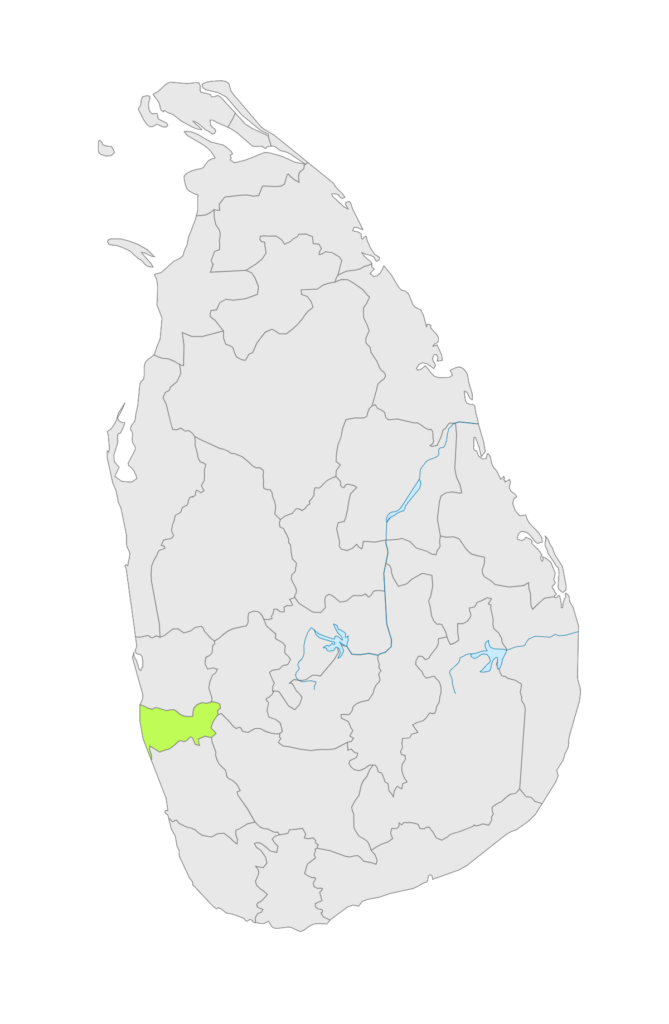
Top Attractions in Batticaloa
Top Attractions in Batticaloa
No results found.
A first-time guide to Batticaloa
A first-time guide to Batticaloa
Why Batticaloa is worth your time and Opportunities to Visit
Batticaloa is worth your time because it mixes soft beach days with one of Sri Lanka’s most unusual place-based legends. Multiple sources describe Batticaloa as the “Land of the Singing Fish,” with the sounds said to be heard most often on full‑moon nights near the Kallady Lagoon by Lady Manning Bridge, and with the best hearing season noted as April to September. Guides also describe a traditional listening method-dip an oar into the water and hold the other end to your ear-which turns a simple bridge stop into a small ritual you can actually try. Even if you don’t hear much on your night, the lagoon-at-dusk mood and story give the place a memorable identity. The second reason is the “easy sea” experience. Pasikudah is repeatedly described as shallow and calm, ideal for swimming and water sports, with coral reefs making it especially attractive for snorkelling close to shore. That means you can have beach days that feel safer and more relaxed than many open-ocean stretches. Add the Batticaloa Fort-described as built by the Portuguese in 1628 on Puliyanthivu and later passing to the Dutch (1638) and British (1745)-and you get a destination that isn’t only beach, but also history and atmosphere.
Best time to visit
For the singing-fish legend, timing matters. Sources consistently say the sounds are best heard near Kallady Lagoon between April and September, and often on full moon nights, so that’s the most purposeful window if you want to attempt the experience. Plan your evening around dusk-to-nighttime at the lagoon and keep expectations realistic-this is subtle and condition-dependent. If you can, stay at least two nights so you can try once, adjust, and try again without feeling rushed. For beaches, focus on periods when the east coast sea is calmer and clearer for swimming and snorkelling. Pasikudah is described as shallow and calm with coral reefs, so visibility and gentle water conditions strongly shape your experience. Daily timing is also important: do beach and snorkel in the morning when sun angle helps underwater visibility, then shift to fort and town exploring in late afternoon, and finish with the lagoon at night for the Kallady experience. If rain or wind picks up, swap the plan: fort + town food first, beach later when conditions improve.
Where to stay (by style and budget)
Batticaloa District has two logical stay zones: Batticaloa town/Kallady for lagoon-story nights and cultural access, and Pasikudah for beach-first days. If your priority is to attempt the singing-fish experience, staying near Kallady Bridge reduces late-night transport stress and makes it easy to revisit the lagoon when conditions feel right. Sources tie the phenomenon to the Kallady Lagoon near Lady Manning Bridge and to full-moon timing, so proximity helps you be spontaneous without long rides. Town stays also make it easier to visit Batticaloa Fort and eat locally without depending on resort dining. If your priority is swimming and snorkeling, base near Pasikudah where the beach is described as shallow, calm, and suited to water sports, and where coral reefs make it good for snorkelling. Budget travelers can find guesthouses in both zones, but check for mosquito protection and reliable fans/AC-lagoon areas can be humid at night. Mid-range beach hotels often provide the best comfort for long sea days. Families usually prefer Pasikudah’s calmer water setting, while couples and solo travelers often enjoy town-side nights for a more local feel and easier access to fort/lagoon stories.
Shopping smart in Batticaloa
Shopping in Batticaloa is best treated as “practical plus small keepsakes.” Stock up on beach needs-sunscreen, hats, swimwear basics, snorkel gear if you prefer your own-and everyday supplies before you commit to long beach days or late lagoon nights. If you’re staying in Pasikudah, some items can be more tourist-priced, so a town run can help you buy essentials more cheaply. Since Pasikudah’s appeal is swimming/snorkeling in shallow calm water, your smartest purchases are the ones that protect you from sun and make sea time comfortable. For souvenirs, keep them lightweight: packaged snacks, simple crafts, or modest local items that don’t pretend to be “antiques.” Avoid buying shells, coral, or anything tied to reef damage-Pasikudah’s coral reefs are part of its attraction, and you don’t want to support harm to that ecosystem. Carry smaller cash notes for tuk‑tuks and small shops. If you visit the fort, don’t buy anything that looks like it came from ruins; heritage sites deserve a strict “leave nothing taken” mindset.
Practical tips: safety, water, and essentials
Batticaloa is generally manageable, but you should plan for sea safety, mosquito comfort, and nighttime transport. For beach time, swim in calmer areas and watch coral or rocky patches-Pasikudah is described as shallow and calm, but reefs can cut feet and tides can shift. Bring reef-safe footwear if you’re snorkeling, hydrate heavily, and use high-SPF sunscreen; east-coast sun can be deceptive when wind cools your skin. Keep electronics protected from sand and salt spray. For the Kallady Bridge night visit, keep routes simple. The singing-fish sources stress full-moon timing and mention the oar-listening method at the lagoon, which implies being near water at night; go with a driver you trust, avoid isolated wandering, and bring a small flashlight. Mosquito repellent matters around lagoons. If you’re visiting Batticaloa Fort, wear comfortable shoes and respect restricted areas; it’s described as a historic structure with colonial-era history and a lagoon/swamp setting nearby. Finally, save offline maps so you can move between town, Kallady, and Pasikudah without stress.
Food, culture & experiences
Food in Batticaloa is best enjoyed as everyday east-coast Sri Lankan and Tamil cooking: rice-and-curry lunches, simple seafood when available, and filling short eats rather than fine dining. Plan meals around your activity rhythm: early breakfast before snorkelling, a big lunch after the sea, then a lighter dinner before heading to the lagoon. Beach areas often have tourist-friendly menus; town areas can feel more local and budget-friendly. If you’re staying near Pasikudah, try at least one meal in Batticaloa town to taste the district beyond the resort strip. The unique experiences are clear and distinctive. The Kallady “singing fish” legend is described as sounds heard from the lagoon near Lady Manning Bridge, often on full‑moon nights and best between April and September, and guides describe the oar-to-ear listening method that turns it into a hands-on experience. Then Pasikudah offers an easy-water day: sources describe shallow calm seas and coral reefs that support snorkelling close to shore, making it suitable for beginners and relaxed travelers. Add the Batticaloa Fort story-built by the Portuguese in 1628 and later changing hands to the Dutch and British-and you get a district where legends, reefs, and colonial history can all fit into a simple 2–4 day itinerary.
Latest Stories from Local about Batticaloa
Latest Stories from Local about Batticaloa
Galle, a charming coastal city in Sri Lanka, is a blend of history, culture, and stunning
Matara, a picturesque coastal town in Sri Lanka, is known for its stunning beaches, rich cultural
Galle, a charming coastal city in Sri Lanka, is a blend of history, culture, and stunning
Nestled in the heart of Sri Lanka, the Knuckles Mountain Range is a paradise for nature
Jaffna, located at the northern tip of Sri Lanka, offers a unique blend of culture, history,
Sri Lanka – the endless green of Ella”: This blog post delves into the verdant scenery
How to Reach Batticaloa
How to Reach Batticaloa
Public bus
Intercity buses are the cheapest way to reach Batticaloa, often roughly LKR 600–2,500 depending on distance and bus type. Comfort is low to mid: long hours, crowding, limited luggage convenience. Access is good with frequent departures, so it’s budget-friendly and flexible. You’ll still need a tuk‑tuk or local transport from the bus stand to Kallady or onward to Pasikudah, which adds time.
Train - Public Transport
Train travel can be a cost-effective alternative when schedules match your plan. Expect fares often in the LKR 300–2,500 band depending on class and distance. Comfort is mid to high if you secure seats, lower if you stand. The downside is last-mile transport: you’ll need tuk‑tuks or a car to reach Pasikudah or Kallady. This option suits travelers who plan ahead and prefer steadier rides.
Private car/taxi
A private car is the most comfortable and direct option, ideal for families and travelers carrying beach gear. Expect roughly LKR 35,000–95,000 from Colombo area depending on vehicle and route. Comfort is high with AC, flexible stops, and door‑to‑door drop-off (including Pasikudah hotels). It’s also the safest-feeling option if you want to reach Kallady in time for a night lagoon visit without relying on late buses.
Shared minivan/transfer
Shared transfers sit mid-range in price and comfort, typically around LKR 4,000–12,000 per person depending on season and operator. Comfort is mid to high (seat guaranteed, often AC), and it’s less tiring than buses. The trade-off is fixed pickup times and routes; you may still need a tuk‑tuk at the end. This works well for solo travelers who want convenience without paying for a full taxi.
Transport Options in Batticaloa
Transport Options in Batticaloa
Private car with driver
A car/driver is the most comfortable way to link Batticaloa Fort, Kallady lagoon sunset, and a Pasikudah beach day in one itinerary. Expect around LKR 12,000–30,000/day depending on mileage and hours. Comfort is high with AC and storage for beach bags and snorkel gear. Access is easy through hotels and local agents, and it’s the best option for families and groups doing multi-stop days.
Meter Tuk-Tuks (three-wheelers) or Taxi Cars - From the Streets
Tuk‑tuks are the most flexible option for town moves-fort visits, market runs, and getting to Kallady Bridge. Typical short rides are around LKR 300–2,000 depending on distance and timing. Comfort is basic but access is good near busy areas. For Pasikudah transfers, tuk‑tuks can become expensive over long distances; agree the price before starting and arrange a return if you’re staying in quieter zones.
Lagoon boat/ local experience providers
For lagoon-side experiences, some local providers can arrange short boat rides or guided lagoon views, depending on season and demand. Costs vary widely (from a few thousand LKR upwards) and comfort depends on vessel type. Access is best through hotels or local contacts. If your goal is the “singing fish” story, note sources describe listening from the bridge/lagoon with an oar method; a boat is optional, not required.
Public buses - Public Transport
Local buses are the cheapest way to move along main corridors, often in the LKR 40–300 range for short segments. Comfort is low and schedules aren’t designed for tourists, but access is good at main junctions. Use buses if you’re budget-focused and flexible. You’ll often still need a tuk‑tuk or a walk from the bus stop to the exact beach entrance or Kallady bridge viewpoint.