- Regions of Sri Lanka
Kegalle
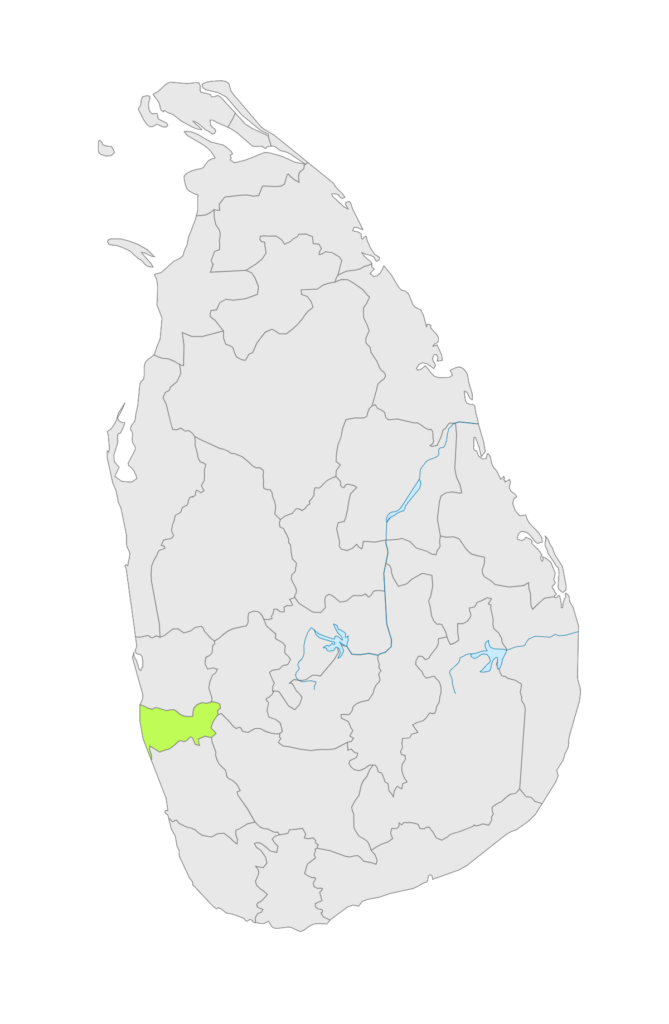
Top Attractions in Kegalle
Top Attractions in Kegalle
No results found.
A first-time guide to Kegalle
A first-time guide to Kegalle
Why Kegalle is worth your time and Opportunities to Visit
Kegalle is worth your time because it delivers elephants, hills, and heritage in easy reach of the main Colombo-Kandy corridor. Siyapatha Lanka describes the district as a “gateway to elephants, adventure, and ancient wonders,” noting that it lies between central hills and low country plains and blends wildlife conservation, spiritual landmarks, waterfalls, caves, and plantations. Pinnawala Elephant Orphanage, in Rambukkana area, is one of Sri Lanka’s most famous experiences: Lakpura notes the orphanage was taken over by the National Zoological Gardens in 1978, with a captive breeding program launched in 1982, and says over 20 elephants have been bred there; guides highlight feeding times at 9:15, 13:15, and 17:00 and river bathing at 10:00 and 14:00 as the main visitor windows. Watching dozens of elephants walk down to the Ma Oya, then bathe and play for up to two hours, is unforgettable when managed ethically. Beyond Pinnawala, Kegalle gives you hill and temple textures that turn a simple stop into a fuller trip. Lakpedia lists Dedigama Kotavehera as an ancient stupa and archaeological site linked to King Parakramabahu, and notes Kurulu Kele as a forested bird sanctuary with a hilltop temple just near Kegalle town; that means you can move from elephant conservation to quiet Buddhist heritage and forest birds in a single day. Bible Rock (Bathalegala), described as a 670 m flat‑topped mountain whose profile resembles an open book and is sometimes called “Little Sigiriya,” offers a relatively short climb for big views over the central highlands and tea country. Uthuwankanda Rock adds the folk‑hero story of Saradiel, often called the “Robin Hood of Sri Lanka,” to the mix. If you like variety without long transfers, Kegalle is an efficient, high‑impact choice.
Best time to visit
There’s no single “wrong” month for Kegalle, but your experience improves when you match activities to time of day and season. For Pinnawala, daily rhythm matters most: Lakpura and other sources note that the orphanage opens at 8:30 and closes at 18:00, bottle feeding happens at set times from morning to evening, and elephants bathe in Ma Oya at roughly 10:00 and 14:00 for about two hours each. Arriving early lets you get a good vantage point by the riverbank and avoid the biggest crowds that tend to swell during school vacations and public holidays, which Lakpura notes make it harder to watch comfortably. For hikes like Bible Rock and Uthuwankanda, go early or late. Sri Lanka‑800 and trek blogs describe Bible Rock as a 670 m mountain with about 200 m elevation gain and a flat, elongated top, recommending it for day‑trippers seeking wide views; early morning gives clearer vistas and cooler conditions. Monsoon patterns can bring heavier rain into hill areas at certain times, so pick drier spells for rock climbs and waterfalls. When it rains, the district’s forests and plantations are beautiful but trails can be slippery-use that time for temple visits (Dedigama Kotavehera, Kurulu Kele, Beligammana) and rubber/spice garden stops instead. Overall, plan elephants and hikes for stable-weather days and keep a “backup” temple/plantation day in case of rain.
Where to stay (by style and budget)
Where you stay in Kegalle depends on your priorities: elephants, hills, or temples. If Pinnawala is the focus, staying in or near Rambukkana/Pinnawala keeps your travel friction low. Holiday‑Vibes and multiple attraction summaries frame Pinnawala as the star sight in Kegalle, with many visitors building half or full days around feeding and river bathing sessions; basing near the orphanage lets you walk or use short tuk‑tuks to catch both morning and afternoon slots without long transfers. Budget guesthouses and mid‑range hotels exist close to the orphanage; check reviews for animal‑noise tolerance, as elephant calls and visitor traffic may start early. If you’re more interested in Bible Rock, Uthuwankanda, waterfalls and temples, look at stays around Kegalle town, Mawanella, or Aranayake. Siyapatha Lanka highlights Kegalle’s mix of nature, adventure, and heritage, while Lakpedia emphasises temples like Dedigama Kotavehera, Kurulu Kele, Beligammana and hills like Uthuwankanda; being closer to these nodes shortens your morning drives. Mid‑range eco‑stays or simple hotels with parking suit self‑drivers who want to do dawn hikes and then recover by midday. Families might prefer places with gardens and calmer surroundings away from the main road; solo travellers and couples may choose simpler guesthouses near bus/train links. In all cases, prioritise good fans/AC and mosquito protection-humidity and forest edges can be intense.
Shopping smart in Kegalle
Shopping in Kegalle is more about practical and locally‑produced items than high‑end souvenirs. The district is known for rubber, pepper, and cocoa plantations, and Lakpedia points out its “agriculture & spice gardens” as a regional feature; that makes spice stops and small plantation shops good places to buy pepper, cloves, cinnamon, or cocoa products you’ll actually use. Look for clearly labeled, hygienically packed products rather than unlabelled plastic bags. These are light, useful, and easy to carry onward. Near Pinnawala, tourist‑oriented shops sell elephant motifs and curios, but it’s wise to be selective. Avoid any items that feel exploitative or low-quality mass plastic. If you want an elephant-themed keepsake, choose small, sustainably made pieces and keep your spending focus on conservation entry fees and honest eateries rather than on bulk trinkets. In town, stock up on snacks, fruit, and water ahead of hikes and temple days. Carry small change for tuk‑tuks, parking, and local bakeries. For major handicraft buys, many travellers still prefer Kandy or Colombo’s curated shops; in Kegalle, treat shopping as practical resupply plus a few thoughtful, modest purchases.
Practical tips: safety, water, and essentials
The main safety questions in Kegalle are around elephants, rocks, and roads. At Pinnawala, remember you’re in a captive facility: Lakpura explains that the orphanage simulates a natural habitat for orphaned and injured elephants and that visitors can sometimes feed or stand near animals under supervision, but elephants remain powerful and unpredictable; always follow staff instructions, keep distance when told, and avoid sudden movements, especially with children. For river bathing sessions, stay behind barriers, don’t try to get into the water, and watch your footing on wet rocks. On hikes like Bible Rock and Uthuwankanda, trek guides note that the paths involve 200 m or more of elevation gain and can be steep and muddy in places; start early, carry water, and wear shoes with grip. Avoid edges on flat summits in windy or wet conditions. Around waterfalls in Dedugala/Bulathkohupitiya side, local vloggers repeatedly warn about slippery rocks and urge visitors not to litter or damage vegetation. Roads in Kegalle can be winding and busy; if you self‑drive, keep speeds moderate and avoid night driving after tiring hikes. As always in Sri Lanka’s humid zones, drink safe water, use sunscreen and insect repellent, and dress modestly for temple visits (shoulders and knees covered).
Food, culture & experiences
Food in Kegalle is classic Sri Lankan roadside and town fare: rice-and-curry, kottu, short eats, tea-shop snacks, plus more tourist‑oriented menus around Pinnawala. Because Pinnawala days revolve around specific feeding and bathing times, plan meals around these: many restaurants line the Ma Oya riverbank, with some offering balcony views of elephants bathing, which Lakpura notes can be crowded but impressive during peak times. Try at least one local rice-and-curry lunch in a non‑touristy spot in Kegalle/Rambukkana to taste everyday Sabaragamuwa cooking. Culturally, Kegalle offers more than elephant photos. Dedigama Kotavehera, described as an ancient stupa and archaeological site linked to King Parakramabahu, and Beligammana Raja Maha Viharaya with its cave paintings and Buddhist relics, provide windows into older religious life. Kurulu Kele’s forested hill with a temple on top adds a quieter, bird‑rich spiritual setting right by town. On the adventure side, Bible Rock-called a “Little Sigiriya” by trek writers because of its flat top resembling the famous citadel-offers big‑horizon views with relatively modest effort, and Uthuwankanda layers in the Saradiel legend. A strong 2‑day Kegalle pattern is: Day 1 Pinnawala + Kurulu Kele, Day 2 Bible Rock or Uthuwankanda + a temple like Dedigama or Beligammana.
Latest Stories from Local about Kegalle
Latest Stories from Local about Kegalle
Galle, a charming coastal city in Sri Lanka, is a blend of history, culture, and stunning
Matara, a picturesque coastal town in Sri Lanka, is known for its stunning beaches, rich cultural
Galle, a charming coastal city in Sri Lanka, is a blend of history, culture, and stunning
Nestled in the heart of Sri Lanka, the Knuckles Mountain Range is a paradise for nature
Jaffna, located at the northern tip of Sri Lanka, offers a unique blend of culture, history,
Sri Lanka – the endless green of Ella”: This blog post delves into the verdant scenery
How to Reach Kegalle
How to Reach Kegalle
Shared minivan/transfer
Shared vans on Colombo–Kandy and related routes offer a middle ground in price and comfort, often charging around LKR 2,000–6,000 per person depending on distance and operator. Comfort is mid to high with guaranteed seats and usually AC, but you’ll have fixed departure times and pickup points. From the drop point, you still rely on tuk‑tuks for last‑mile access. This works well for solo travellers seeking comfort without funding a private car.
Public bus
Buses between Colombo, Kandy, and Kegalle/Rambukkana are frequent and cheap, often around LKR 200–700 depending on distance and bus type. Comfort is low to mid: crowded at peak times, with basic seats, but you gain flexibility and low cost. From Kegalle or Rambukkana, tuk‑tuks or short local buses get you to Pinnawala, town temples, or trailheads. Good for budget travellers who don’t mind some noise and standing.
Taxi/ Private car
A private car allows you to link Kegalle with Colombo, the airport, or Kandy in one smooth leg, and to stop at Pinnawala or Bible Rock en route. Expect roughly LKR 12,000–30,000 for typical intercity segments depending on vehicle and origin. Comfort is high with AC and flexible stops. This is the best option if you’re traveling with family, carrying gear, or aiming to combine several Kegalle sites in one day.
Train (via Rambukkana /main line)
The Colombo–Kandy railway passes near Kegalle via Rambukkana and nearby towns, making train a pleasant way to approach the district. Fares are usually in the LKR 150–800 range depending on class and distance. Comfort is mid to high if you get seats and enjoy scenery. From Rambukkana or other stations, tuk‑tuks cover the last mile to Pinnawala and onward points. Ideal for travellers who like rail journeys and can plan around timetables.
Transport Options in Kegalle
Transport Options in Kegalle
Private car with driver
A car and driver make it easy to chain together Pinnawala, Bible Rock or Uthuwankanda, and one or two temples in a single day, with AC between hot stops. Expect around LKR 10,000–25,000 per day depending on mileage. Comfort is high, and drivers familiar with the area can sequence sites to avoid crowds and midday heat. This option is ideal for families, older travellers, and those short on time.
Meter Tuk-Tuks (three-wheelers) or Taxi Cars - From the Streets
Tuk‑tuks are the most flexible way to move between towns, Pinnawala, temples, and shorter hike access roads. Short rides often cost LKR 300–1,800 depending on distance and time. Comfort is basic but you can negotiate half‑day or full‑day hires for multi‑stop routes (e.g., Pinnawala + Kurulu Kele + town). Access is easy near stations, bus stands, and major attractions. Always agree on price before starting.
walking +short hikes
Walking is practical for in‑town movement (markets, Kurulu Kele approach) and essential for the final approach to rocks like Bible Rock and Uthuwankanda. Hike descriptions note 200 m or more elevation gain and rough sections, so you need decent fitness, shoes with grip, and water. Don’t rely on walking for long distances between dispersed sites; combine it with tuk‑tuks or cars for safety and efficiency.
Public buses - Public Transport
Local buses connect Kegalle with Rambukkana, Mawanella, Aranayake and other small towns, typically for LKR 40–300 for short segments. Comfort is low, with crowded aisles, but they’re cheap and frequent on main roads. They’re best for simple hops (town to town) and not ideal for exact trailheads or time‑sensitive elephant bathing slots, where tuk‑tuks offer better control.