- Regions of Sri Lanka
Mullaitivu
Top Attractions in Mullaitivu
Top Attractions in Mullaitivu
No results found.
A first-time guide to Mullaitivu
A first-time guide to Mullaitivu
Why Mullaitivu is worth your time and Opportunities to Visit
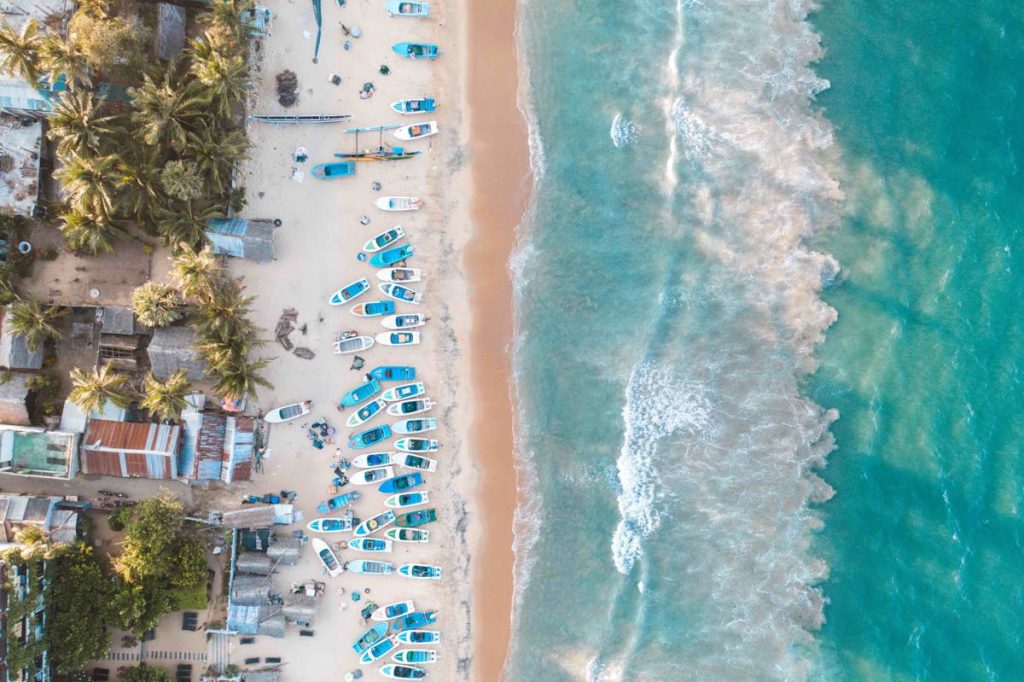
Mullaitivu is worth your time if you’re looking for an off‑the‑map coastal place that combines serene nature with raw, recent history. A 2024 article describes it as an “undiscovered gem” and “untouched paradise,” emphasising long, uncrowded beaches where “golden shores meet lush greenery” and where visitors can take peaceful walks, watch spectacular sunrises, and enjoy clear water without the typical resort bustle. Another government piece notes Mullaitivu town beach as a popular relaxation spot for locals and describes the nearby Nandikadal lagoon area as excellent for birdwatching and nature enthusiasts, which highlights how nature has come back into daily life. At the same time, this is a district where the civil war’s final stages unfolded, and you can still see sites that interpret that history. Lankapradeepa explains that the Puthukkudiyiruppu Victory Monument symbolises the success of the Wanni Humanitarian Operation; the pond and lilies represent the nation, four lions represent warriors from all directions, and the soldier with the lion flag represents heroic troops and national pride, with an adjacent war museum displaying weapons and LTTE craft. Atlas Obscura and other guides describe the LTTE submarine yard near Puthukkudiyiruppu as a deserted boat yard where the Sea Tigers built submarines and semi-submersibles; visitors can still see a half‑built submarine and other vessels, making it a rare glimpse into insurgent naval engineering. Mullaitivu is powerful and reflective rather than easy; it rewards respectful, curious travelers.
Best time to visit
Mullaitivu’s coastline and lagoons are most enjoyable when seas and skies are calmer, but practical timing revolves around heat and light more than calendar perfection. Beach-focused write‑ups describe Mullaitivu’s shores as ideal for long walks, sunrise views, and calm swims when the sea is gentle, suggesting you plan beach time for early morning and late afternoon when the sun is lower and temperatures are more manageable. For war sites like the Victory Monument, war museum, and submarine yard, visiting at these cooler edges of the day also makes it easier to sit with the emotional weight of the place without being physically drained. For Kokkilai Lagoon, timing is about birds. Lakpura and other descriptions note that the lagoon is an estuarine system with extensive seagrass, mangroves, and mudflats and attracts pelicans, cormorants, herons, egrets, ducks, storks, waders, and pink flamingos, and that it has been a wildlife sanctuary since 1951. Bird activity is strongest in early morning and late afternoon, and migratory species are more likely in the main wintering months, so aligning a lagoon visit with these conditions will give you more wildlife and softer light. If you’re connecting Mullaitivu between Jaffna and Trincomalee, plan at least one full day in the district so that weather, sea conditions, and your energy don’t all have to line up perfectly in a single short window.
Where to stay (by style and budget)
Accommodation in Mullaitivu is simpler than in major tourist hubs, which is part of its appeal for offbeat travelers. The “hidden paradise” blog emphasises local hospitality and a lack of heavy commercialisation, painting a picture of low-rise beachside properties and small guesthouses close to the sand rather than large resort strips. Government and tourism blurbs emphasise Mullaitivu town beach as a popular relaxation point, suggesting that town‑side stays give convenient access to both the beach park and war‑history day trips, including Puthukkudiyiruppu and Nandikadal lagoon. For most visitors, a simple, clean guesthouse or modest hotel with AC, mosquito protection, and reliable water will be enough-this is a place to be out experiencing rather than inside a fancy complex. If you’re focused on war sites (Victory Monument, war museum, submarine yard, Farah III shipwreck views), choose a base near Mullaitivu town or on the Puthukkudiyiruppu side so that you can do these as short loops. If Kokkilai Lagoon and birding are your priorities, staying closer to Kokkilai or picking a base that can realistically arrange dawn/late-afternoon transfers will matter. Families should confirm safe beach access and ask hotels about sea conditions; solo travelers should seek stays with good reviews for safety and staff helpfulness, especially given the district’s relatively low tourist traffic and its sensitive history.
Shopping smart in Mullaitivu
Shopping in Mullaitivu remains mostly local and modest, matching its “undiscovered” character. The coastal-cleanup and tourism article notes that Mullaitivu town beach and nearby lagoon areas are popular among locals, implying that most shops are oriented to daily life-groceries, clothes, and basic household goods-rather than tourist souvenirs. Treat this as a place to buy what you need to be comfortable: water, snacks, hats, and simple clothing suitable for heat and modest dress at memorials and any religious sites you might visit. Spending here is best focused on meals, guiding, and community services rather than objects. If you want to take something home, keep it small and ethical: packaged snacks, low-key local crafts, or simple textiles rather than anything that looks war-related or removed from wrecks/memorials. War museums and the submarine yard are not appropriate places to buy “souvenirs” beyond perhaps official booklets or postcards, if they exist; Lankapradeepa describes the war museum as displaying LTTE weapons and vessels, which should be viewed as educational exhibits, not marketplaces. Carry small denominations of cash, as card facilities may be limited outside central businesses. Think of “shopping” here as supporting food stalls and small services rather than hunting for big-ticket purchases.
Practical tips: safety, water, and essentials
Mullaitivu’s key safety considerations are sea and site conditions, plus emotional context. For beaches, that same “hidden paradise” article that celebrates solitude also emphasises that shores are largely untouched by commercialization; this means there may be fewer lifeguards, flags, or formal safety infrastructure. Swim cautiously, stay within your depth, and avoid unfamiliar rocky or wreck-affected seabeds-one travel blog about the Farah III shipwreck mentions signs warning not to swim due to dangerous sharp metal on the seabed. Stick to safer sections advised by locals or your accommodation, and avoid going in alone, especially at dawn or dusk. At war-related sites, respect boundaries and signage. Lankapradeepa’s description of the Puthukkudiyiruppu Victory Monument talks about symbolic design details and a nearby war museum; these are official memorial spaces and should be approached quietly and respectfully, as locals may have personal connections to the events. Atlas Obscura and other descriptions of the submarine yard mention dirt/sand access roads, army presence, and half-built vessels; expect basic conditions, be prepared for heat, and follow instructions from guards. Carry water, wear sturdy shoes, and consider the emotional impact-this is dark tourism territory for many visitors. At Kokkilai Lagoon, heed guidance about boat routes and remain seated; the lagoon is shallow and full of wildlife, and the sanctuary designation dates back to 1951 for a reason.
Food, culture & experiences
Food in Mullaitivu is best thought of as coastal Sri Lankan home-style cooking and small-shop fare rather than polished restaurant dining. The “hidden paradise” article highlights local hospitality alongside beaches and lagoons, implying homey meals and simple seafood when available. Eat where locals eat for freshness and authenticity: rice-and-curry at midday, tea and short eats in the afternoon, and a fish-based dinner where you can see what came in that day. Because the area is less commercialised, always ask about spice level and portion sizes, and carry some snacks and water for long drives between sites. The unique experiences here are intense: standing at the Puthukkudiyiruppu Victory Monument and war museum, thinking about the Wanni operation and the civil war’s end as explained by Lankapradeepa; seeing the submarine yard that Atlas Obscura calls a place where Sea Tigers built experimental underwater vessels; and walking or driving to a viewpoint where you can see the Farah III shipwreck in the distance and consider its story. Balance that with soft moments: sunrise or sunset on Mullaitivu beach, birdwatching at Nandikadal lagoon as described by local authorities, or a half-day at Kokkilai Lagoon watching pelicans, herons, and possibly flamingos in a sanctuary designated in 1951. Mullaitivu is not about ticking sights; it’s about sitting with landscapes and history together.
Latest Stories from Local about Mullaitivu
Latest Stories from Local about Mullaitivu
Galle, a charming coastal city in Sri Lanka, is a blend of history, culture, and stunning
Matara, a picturesque coastal town in Sri Lanka, is known for its stunning beaches, rich cultural
Galle, a charming coastal city in Sri Lanka, is a blend of history, culture, and stunning
Nestled in the heart of Sri Lanka, the Knuckles Mountain Range is a paradise for nature
Jaffna, located at the northern tip of Sri Lanka, offers a unique blend of culture, history,
Sri Lanka – the endless green of Ella”: This blog post delves into the verdant scenery
How to Reach Mullaitivu
How to Reach Mullaitivu
Shared minivan/transfer
Shared vans offer mid-range cost and comfort, typically around LKR 4,000–12,000 per person depending on distance and operator. Comfort is mid to high (seat and AC), but routes and times are fixed. You may still need local transport once you’re in Mullaitivu to reach beach or war sites. This option suits solo travelers who value less hassle than buses but don’t want to pay for a full private car.
Public bus
Public buses are the cheapest way to reach Mullaitivu from northern and eastern towns. Expect fares in the LKR 300–1,500 range depending on distance and bus type. Comfort is low: long rides, crowding, and basic seats. Access is good to main towns and junctions, but you’ll still need tuk‑tuks or local transport for final legs to beaches, war sites, or Kokkilai. Use this if you’re budget-focused and flexible with time.
Taxi or private car
A private car is the most comfortable way to reach Mullaitivu, and the best option if you plan to visit multiple sensitive sites. Costs from major hubs can range roughly LKR 25,000–70,000 depending on origin and vehicle class. Comfort is high with AC and direct drop-off at your guesthouse, and you can stop at Elephant Pass or other viewpoints en route if coming from Jaffna. This suits families and travelers needing predictability and safety.
Motorbike /car rental
Self-driving gives maximum flexibility on a sparsely touristed coastline. Rental costs and fuel add up, but the ability to time stops at war monuments, submarine yard, shipwreck viewpoints, and Kokkilai is valuable. Comfort is high for cars and moderate for motorbikes; avoid driving after dark given road conditions and limited lighting. Have offline maps and factor in petrol stops, as services thin out between towns.
Transport Options in Mullaitivu
Transport Options in Mullaitivu
Private car with driver
A car/driver is the safest and most comfortable way to link geographically spread and sensitive spots: Victory Monument, war museum, submarine yard, Farah III viewpoints, beaches, and Kokkilai Lagoon. Expect around LKR 10,000–25,000/day depending on mileage. Comfort is high with AC and secure storage. Access is easiest when arranged via your guesthouse or a known operator, and drivers can help navigate checkpoints and directions.
Meter Tuk-Tuks (three-wheelers) or Taxi Cars - From the Streets
Tuk‑tuks are useful for short hops around Mullaitivu town-beach park, markets, lagoon edges—and sometimes for nearby memorials or museum visits. Typical short trips cost around LKR 300–2,000 depending on distance. Comfort is basic but access is decent near town. For more remote sites like the submarine yard or Kokkilai, tuk‑tuks can be used only if drivers are willing to go and wait; negotiate clearly and consider hiring for a half-day block.
Boat /lagoon operators at Kokkilai
For Kokkilai Lagoon, the most meaningful “transport” is a local boat, often arranged through guides or community operators. Descriptions of the lagoon note its seagrass beds, mangroves, mudflats, and wide range of birds, and mention that it has been a wildlife sanctuary since 1951, popular for birdwatching and boat safaris. Costs vary but are mid-range compared to land transport; access depends on season and demand, so it’s smart to arrange ahead via accommodation.
Public buses - Public Transport
Local buses are very cheap (often LKR 40–300 for regional hops) and can move you between towns and some coastal stretches. Comfort is low-crowded, hot, and with limited information in English. They’re not ideal for tight sightseeing days or remote war/nature sites, as you’ll still need extra rides from drop points. Use them if you’re on a very tight budget and have time and patience.