- Regions of Sri Lanka
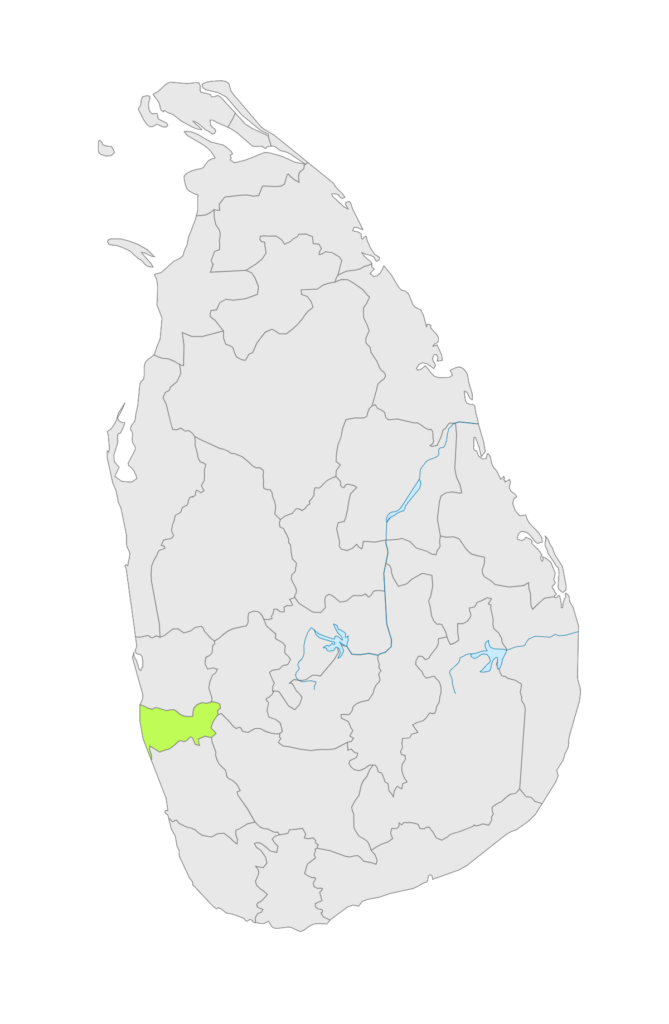
Matara
Top Attractions in Matara
Top Attractions in Matara
No results found.
A first-time guide to Matara
A first-time guide to Matara
Why Matara is worth your time and Opportunities to Visit
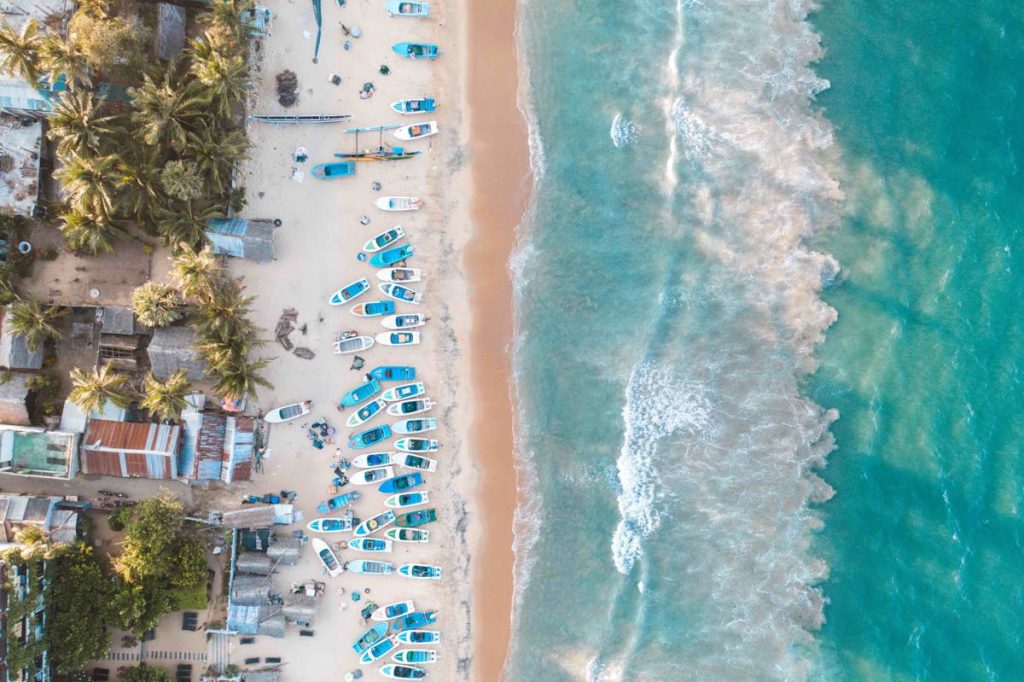
Matara is worth your time because it combines what many travelers try to find separately: safe-ish, relatively calm swimming zones, real town life, and strong onward connections. Polhena Beach, described as a snorkeller’s paradise with shallow, reef-protected waters where even beginners can see reef fish and sometimes turtles, gives you a softer sea experience than many open-surf beaches further along the coast. In town, you get a mix of colonial-era structures like Matara Fort, Star Fort, and older churches that stitch together layers of European influence, all within short tuk-tuk rides. Beyond those, Dondra Head Lighthouse lies only a few kilometres away and is highlighted as the tallest lighthouse in Sri Lanka, marking the southernmost point of the island and offering big ocean views when access is permitted. That means Matara can be your base for one lighthouse day, one Polhena day, one temple-and-fort day, and one flexible day for markets or Mirissa-area outings. You get enough variety in a compact zone that you don’t have to change hotels constantly. For many visitors, that balance of “normal city” plus “escape to the sea” is exactly what makes Matara a solid stop.
Best time to visit
Climate data and travel guides consistently point to the December–April window as the best period for Matara, with December to March especially noted as a dryer, sunnier spell that suits beach-focused trips. Weather2Travel identifies February as a particularly strong month, with around 10 hours of sunshine and maximum temperatures near 30°C, while Holidify and other guides broadly recommend December to April as the most comfortable time for visitors. During this stretch you usually get good beach conditions, warm sea temperatures, and fewer heavy rain days than in the late-year peak monsoon months. That said, Matara sits in a region with year-round warmth, and it can still be visited outside the prime window if you adjust your expectations. October and November stand out as wetter, with October averaging the highest rainfall and more rain days, which means you need flexible plans and backup indoor options if you come then. A practical approach is to treat mornings as your most valuable slot for sea and walking, then keep afternoons open for temple visits, cafés, or rest when heat and potential showers build. If you dislike crowds, one south-coast guide suggests visiting in months like February, March, or June for a mix of good weather and fewer visitors than around New Year peaks.
Where to stay (by style and budget)
In Matara District, where you stay should align with how much “town” versus “beach” you want each day. If you plan to swim often and want a low-friction routine, look at Polhena and nearby coastal stretches where you can walk to the sand and be in the water early, taking advantage of the reef-protected, calmer conditions that blogs highlight as beginner‑friendly. Properties in these zones can range from simple guesthouses to mid-range hotels, and being near the reef means you can use your room as a base between swims, meals, and naps without long transfers. If you care more about history, markets, and transport links, staying in or near Matara town gives you easier access to forts, temples like Weherahena and Paravi Duwa, and bus or train connections. Town stays tend to be better for people who are moving around the island quickly and want to minimize tuk-tuk dependency. Budget travelers should prioritise cleanliness, working fans or AC, and reliable hot water over decor. For families, check walking distances to calm beach sections or confirm that your stay can arrange tuk-tuks quickly. For couples and slower trips, a slightly quieter property just off the main road or a small place close to Polhena can strike the right balance between access and rest.
Shopping smart in Matara
Matara’s strength is not glossy malls but everyday shopping that serves both locals and visitors. Guides emphasise bustling local markets where you can find fruit, vegetables, and spices, plus snacks to carry for day trips. This is where it makes sense to stock up on practical items: bottled water, fruit for beach mornings, and small spice packs if you plan to cook elsewhere on your trip. For clothing and basic gear, town shops and roadside stalls can often be cheaper than dedicated tourist boutiques, though sizes and styles are more “local daily wear” than “designer resort.” Historic precincts around the fort, old customs house, and Dutch Reformed Church sometimes have small craft and souvenir outlets, but selection and quality vary. A sensible approach is to treat Matara as a place for small, useful purchases rather than for big-ticket souvenir hunts. Avoid buying expensive items like gems or antiques without serious due diligence; those are better sourced from established dealers in bigger cities. Always carry smaller notes for tuk-tuks, markets, and snack stops. If something feels heavily marked up in a touristy spot, walk a little farther toward local zones and compare prices. In Matara, the best buys are often simple: spices, snacks, and maybe one or two small handmade items, not large decorative pieces.
Practical tips: safety, water, and essentials
Most practical issues in Matara revolve around heat, sea conditions, and traffic, rather than complex safety problems. Polhena’s reef offers calmer water compared to open-surf beaches, but you still need to be cautious of currents, sharp coral, and boat activity, especially outside clearly used swimming areas. Always check conditions before going far from shore, and avoid swimming in obviously rough seas. Around Ravana‑style falls and other water features further inland in the district, local advice stresses not climbing slippery rocks or upper levels because accidents have occurred at Sri Lankan waterfalls when visitors pushed beyond safe zones. On land, carry bottled or properly treated water, and treat hydration seriously, particularly when walking in the mid-day sun. Market, temple, and fort visits can add up to hours on your feet, so comfortable footwear matters. Use sunscreen and a hat, and keep a light rain layer handy in shoulder seasons. At night, stick to lit streets and avoid carrying lots of valuables; this is standard practice in any town. When crossing main roads, take your time—south-coast traffic blends buses, tuk-tuks, motorbikes, and pedestrians. For medical needs, it’s easier to handle prescriptions or basic issues while you are in a reasonably sized town like Matara than in very small villages, so stock up here before moving on.
Food, culture & experiences
Matara is strong for straightforward Sri Lankan food and coastal dishes more than for high-concept restaurants. Blogs and guides describe the area as a place of “sun, sand and sea,” with Polhena and nearby beaches offering opportunities for snorkelling, turtle spotting, and easy swims between meals. A basic but effective day plan is: local breakfast, morning swim at Polhena, lunch at a simple rice-and-curry or seafood spot, then an afternoon fort or temple visit followed by sunset near the coast. That pattern gives you variety without feeling over-planned. Culturally, Matara delivers a lot in a small radius. You can step inside the Matara Fort area, then move on to Star Fort and Dutch-influenced buildings like the Reformed Church and customs house to understand how this part of the coast functioned during colonial times. Weherahena Temple, with its cavernous artificial “underground” spaces and extensive sculptures, offers a different visual experience from the more restrained shrines you may see elsewhere. For unique experiences, combine a Dondra Head Lighthouse visit—described as Sri Lanka’s tallest lighthouse and a southernmost tip viewpoint—with a low-key village or temple visit nearby. You end up with a mix of sea, history, and local rhythm that feels more grounded than a pure resort stop.
Latest Stories from Local about Matara
Latest Stories from Local about Matara
Galle, a charming coastal city in Sri Lanka, is a blend of history, culture, and stunning
Matara, a picturesque coastal town in Sri Lanka, is known for its stunning beaches, rich cultural
Galle, a charming coastal city in Sri Lanka, is a blend of history, culture, and stunning
Nestled in the heart of Sri Lanka, the Knuckles Mountain Range is a paradise for nature
Jaffna, located at the northern tip of Sri Lanka, offers a unique blend of culture, history,
Sri Lanka – the endless green of Ella”: This blog post delves into the verdant scenery
How to Reach Matara
How to Reach Matara
Coastal train from Colombo or Galle
The coastal railway runs down from Colombo through places like Galle toward Matara and is a popular choice for travelers who want scenery and low fares. Tickets usually cost in the low LKR hundreds depending on class, making it one of the cheapest ways to cover the distance while getting sea views along sections of the line. Comfort is mid-level if you find seats; at rush times you may stand. On arrival in Matara, a short tuk-tuk can take you to Polhena or town stays.
Highway or coastal bus
Buses to Matara are frequent from Colombo and other south-coast points, with fares generally ranging from around LKR 200–800 depending on whether you catch an ordinary or semi-luxury service and how far you travel. Comfort is basic: expect crowded aisles, loud horns, and frequent stops. This option is best for budget travelers carrying smaller bags who can tolerate a few hours of basic conditions. You may need a tuk-tuk for the final stretch to specific beaches or hotels.
Private car or taxi
A private transfer offers the smoothest way to reach Matara, particularly if you are coming direct from Colombo airport or another long-distance origin. Costs vary widely, but a full intercity leg can easily fall in the LKR 20,000–45,000 range depending on pickup point, vehicle type, and season. In exchange, you get air-conditioning, luggage space, and the ability to stop at viewpoints or food spots along the way. This suits families, small groups splitting costs, and travelers who want to minimize fatigue and transfers.
Shared minivan or shuttle
Shared vans and shuttle services, when operating, sit between buses and private taxis in price and comfort. They are often marketed to tourists moving along the south coast, combining several hotels or towns in one run. Prices are higher than buses but lower than an exclusive car. You typically gain more predictable comfort and pick-up timing but may still have some constraints on luggage and drop-off points. This works well if you find a route that aligns cleanly with your schedule and base.
Transport Options in Matara
Transport Options in Matara
Taxi or Uber or HelaGo car - Ride-Hailing apps
Tuk-tuks are the default way to move between Matara town, Polhena Beach, forts, temples, and Dondra. Short hops typically run in the LKR 300–1,800 range depending on distance, time of day, and demand. They provide mid-level comfort and very high flexibility, particularly for last-minute plan changes. Always agree the fare before starting if you’re not using an app, and keep small notes handy. For multi-stop outings, it’s often easier and more cost-effective to negotiate a half-day or full-day rate with one driver than to renegotiate every leg.
Meter Tuk-Tuks (three-wheelers) or Taxi Cars - From the Streets
For days when you want to cover several places—like Polhena, Dondra Head Lighthouse, a temple, and a fort—in one loop, hiring a tuk-tuk for half or full day simplifies everything. Prices vary with distance and hours but often fall somewhere around LKR 4,000–10,000 per half-day or more for longer routes. You gain a consistent driver, can leave towels or small bags in the tuk-tuk, and skip repeated bargaining. This is especially useful for couples or small groups who want flexible, low-speed movement.
Public buses - Public Transport
Local buses are the cheapest way to travel around the wider district, often costing LKR 30–250 for short to mid-range routes. They run along main roads and link Matara with surrounding villages and coastal stretches, but comfort is low and they rarely align neatly with sightseeing timings. Buses are useful if you’re combining Matara with other south-coast stops and are traveling light. For Polhena or more precise drop-offs, you may still need a tuk-tuk from the bus stop.