- Regions of Sri Lanka
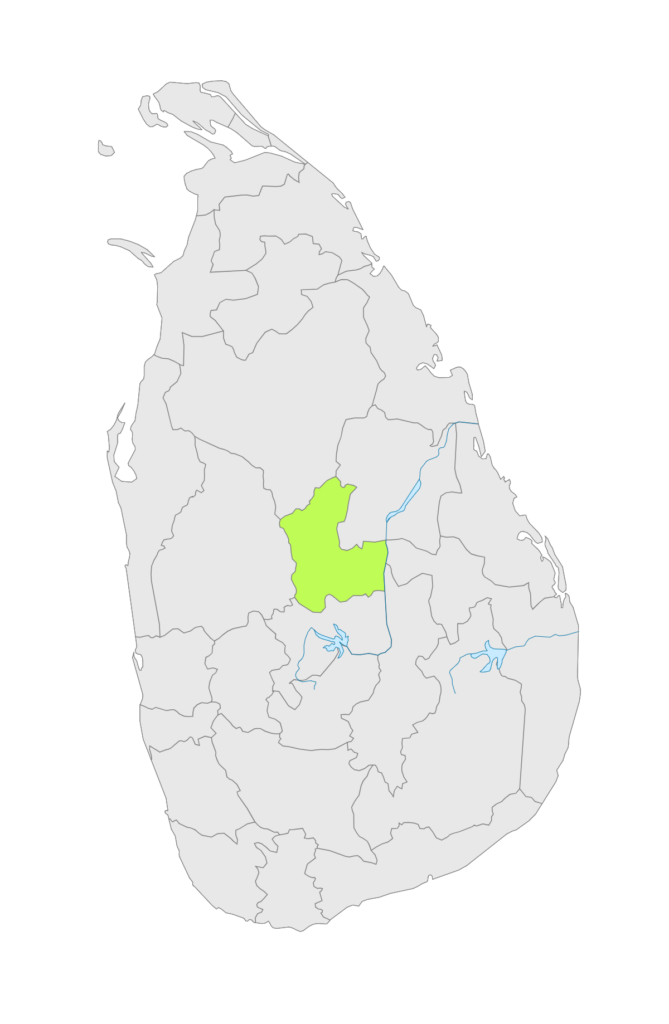
Matale
Top Attractions in Matale
Top Attractions in Matale
No results found.
A first-time guide to Matale
A first-time guide to Matale
Why Matale is worth your time and Opportunities to Visit
Matale is worth it if you want a pause between major headline sites, but still want to feel like you are exploring, not just resting. It lets you see how temples, farms, and towns link together in central Sri Lanka without the crowds of the Cultural Triangle. You can do a rock-temple visit, a local market stop, and a spice or village visit in one day, then still end early. Because it sits naturally between Kandy and triangle hubs, you can add Matale without big detours. It also rewards slow travel styles and families who do not want their days to feel like checklists. If you are rushing through Sri Lanka, Matale can feel skippable. If you want depth and local texture, it is a good fit. Treat it as a “breathing space” district: easier days, smaller stops, and a bit of real life between your bigger plans.
Best time to visit
Matale works year-round, but drier periods make temples and outdoor stops more pleasant. If you’re visiting rock temples and hill viewpoints, start early for cooler weather and softer light. Keep afternoons for markets, food, and shorter stops. Sudden showers are possible at any time of year, so carry a light rain layer and shoes that handle wet ground. If you’re stringing Matale together with Dambulla, Sigiriya, or Kandy, timing matters more than the exact month. Avoid stacking too many sites in a single day. A smart pattern is one main temple or viewpoint, one food stop, and one lighter experience, such as a spice garden or village road walk. That keeps your day balanced instead of exhausting.
Where to stay (by style and budget)
Many travelers treat Matale as a day-trip zone, but staying overnight can make your route smoother. Choose accommodation based on access: easy pickup points for drivers, parking if you self-drive, and a location that doesn’t add steep, confusing roads at night. Small hotels and guesthouses often offer good value and hands-on help with arranging tuk-tuks or cars. If you are traveling with older family members or kids, prioritize simple access over remote “best view” promises. Check for hot water, clean bedding, and a decent breakfast. Nights tend to be quiet, so aim for stays that support early starts rather than nightlife. For self-drivers, confirm safe parking in advance.
Shopping smart in Matale
Shopping in Matale is mainly about spices, snacks, and simple produce, not high-end souvenirs. If you visit spice gardens, enjoy the explanation, but treat any shop at the end with a cool head. Compare prices against town stores before buying large quantities. Sealed and clearly labeled products are easier to carry and safer for long trips. At markets, focus on fruit, snacks, and daily-use items. Carry smaller notes and avoid pulling out large sums in crowded lanes. If someone pushes “special” goods at very high prices, walk away politely. Matale is better for low-stress, practical shopping than for big purchases; save those for Colombo or Kandy.
Practical tips: safety, water, and essentials
The main practical concern in Matale is transport and timing rather than crime. Distances between stops can be deceptive on the map, and hill roads slow you down. Book a car or tuk-tuk for half or full days rather than relying on random rides for every leg. Drink bottled or treated water and carry extra on warm days, especially for temple climbs and outdoor walks. Dress modestly for temples, cover shoulders and knees, and be ready to remove shoes on hot stone. Wear shoes with grip for rock paths. Plan an early start and avoid driving unfamiliar roads late at night. If you’re not sure about a route or timetable, ask your accommodation to confirm realistic travel times and best departure windows.
Food, culture & experiences
Matale is best approached through simple experiences: a proper rice and curry, a local sweet at a bakery, and spice or produce shops that show everyday life. Pair those with one major cultural stop, like Aluvihare, where you can take your time instead of rushing. Use mealtimes as an anchor: temple then lunch, or lunch then viewpoint. For unique experiences, consider a short cycling loop on quieter roads, or a slow walk through village lanes rather than a long, steep hike. You will see more daily life that way and avoid overexertion in the heat. Keep your plan to a few well-chosen stops and you will remember Matale as the place you could finally breathe between more intense days.
Latest Stories from Local about Matale
Latest Stories from Local about Matale
Galle, a charming coastal city in Sri Lanka, is a blend of history, culture, and stunning
Matara, a picturesque coastal town in Sri Lanka, is known for its stunning beaches, rich cultural
Galle, a charming coastal city in Sri Lanka, is a blend of history, culture, and stunning
Nestled in the heart of Sri Lanka, the Knuckles Mountain Range is a paradise for nature
Jaffna, located at the northern tip of Sri Lanka, offers a unique blend of culture, history,
Sri Lanka – the endless green of Ella”: This blog post delves into the verdant scenery
How to Reach Matale
How to Reach Matale
Tuk-tuk (PickMe/Uber/Hela go)
The most comfortable and flexible option, with typical costs in the LKR 18,000–40,000+ range for a full day including multiple stops. You get door-to-door convenience, climate control, and control over where and when you stop. This is ideal for families, groups, or anyone combining Matale with Dambulla, Sigiriya, or Kandy in one loop. The higher price is offset by time saved and reduced stress.
Bus/ Local Train from Pettah - Public Transport
The cheapest way to reach Matale, typically costing around LKR 100–600 depending on distance and bus type. Comfort is low, and buses can be crowded and noisy, but they are frequent and straightforward on main roads. This option works best if you travel light, have flexible timing, and do not mind standing at peak hours. Expect more stops and slightly longer travel times than by car.
Motorbike rental
A mid-cost option that offers high flexibility for solo travelers or couples who are confident on Sri Lankan roads. Fuel and rental together are usually cheaper than a private car, but comfort is lower and safety demands more attention. This is best if you are used to riding in mixed traffic and comfortable with hill roads and variable weather. Always wear a helmet.
Hired van with driver
Similar comfort to Tuk-tuk but sized for groups, making it good value when several people split the cost. Expect rates around LKR 20,000–45,000 depending on distance and duration. Vans offer more space for luggage and provide a smoother experience for longer drives. Best for small tour-style groups who want one vehicle for several days across multiple districts.
Transport Options in Matale
Transport Options in Matale
PickMe or Uber or HelaGo tuk-tuk - Ride-Hailing apps
Fast for city hops, markets, and food stops. Book in-app for clearer pricing and route tracking. PickMe also offers live location sharing and an SOS feature, useful for solo travelers or late rides when you want extra peace of mind.
Taxi or Uber or HelaGo car - Ride-Hailing apps
Best for airport runs, rain days, and late evenings. Costs more than tuk-tuks, but you get AC, space for luggage, and fewer stops. Good for families or anyone moving cross-city during peak traffic.
Meter Tuk-Tuks (three-wheelers) or Taxi Cars - From the Streets
Easy to find in and around Matale town, with mid comfort and flexible routing. Short trips within or near town tend to cost around LKR 400–2,000 depending on distance and negotiation. Tuk-tuks are great for temple visits, markets, and short transfers from bus stops. For multiple stops, agree a half-day rate instead of paying ride by ride, which keeps costs clearer and scheduling smoother.
Motorbike
A flexible way to handle short and medium distances if you are confident riding in local conditions. Costs include fuel plus daily rental, often cheaper overall than hiring a driver, but you trade comfort and relax time. Best for experienced riders who understand hill driving, variable road surfaces, and sudden rain. Always wear proper helmets and avoid riding after dark on unfamiliar routes.
Public buses - Public Transport
Very cheap, usually LKR 40–250 for local segments, and useful for basic town-to-town travel. Comfort is low, crowds are possible, and signage may not always be clear. It is not designed for sightseeing loops, so use it only for simple, direct routes. Best suited to budget travelers with time who are comfortable asking locals about stops and route numbers.