- Regions of Sri Lanka
Gampaha
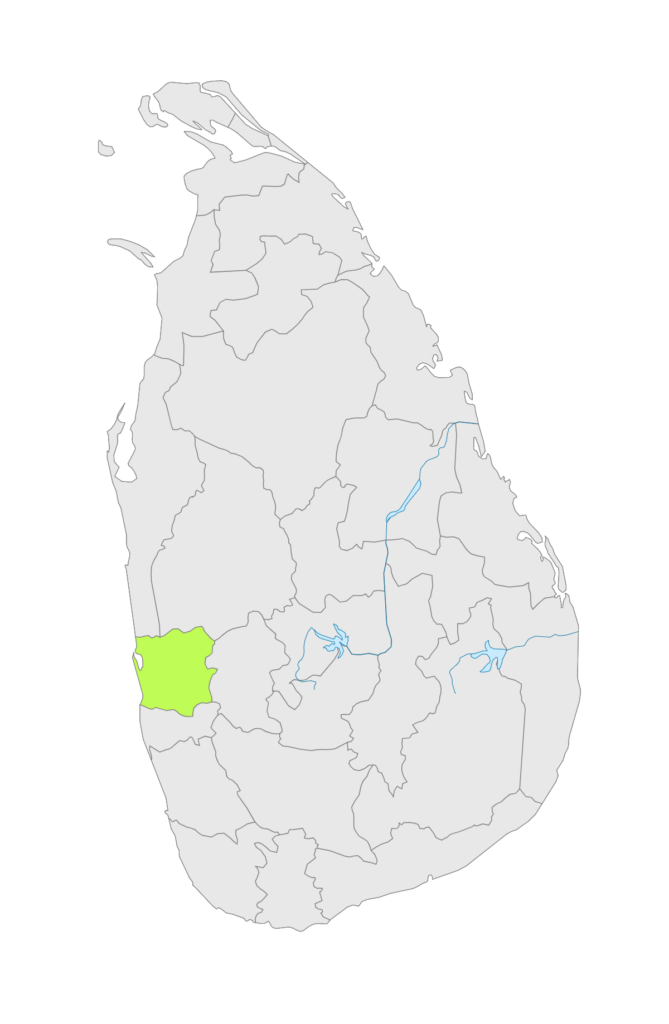
Top Attractions in Gampaha
Top Attractions in Gampaha
No results found.
A first-time guide to Gampaha
A first-time guide to Gampaha
Why Gampaha is worth your time and Opportunities to Visit
Gampaha is worth it because it makes Sri Lanka feel easy from day one. You can land, sleep, and start moving without committing to city traffic or long transfers. It’s also a smart base for short, local-feeling experiences that do not require heavy planning: wetlands, lagoons, canals, and temples that can be done in a few hours. If you are building a tight itinerary, Gampaha removes friction, especially for families, late arrivals, and travelers who prefer predictable logistics over long sightseeing days. The district also works when you want to travel light and keep your schedule flexible. You can do a morning market run, a temple visit, and one nature stop, then keep the rest of the day open for rest and planning. It’s not about ticking off a massive attraction list. It’s about a smooth start, a calm stopover, and a few genuine local moments close to the main travel corridor.
Best time to visit
Gampaha is usable year-round because most plans here are short and flexible, but drier months make outdoor wetland and canal time more comfortable. If you are doing nature walks or boat-style activities, start early to avoid heat and midday glare. Rainy periods can still work, just keep a backup list that includes indoor temples and food stops. If your goal is airport convenience, the “best time” is simply when your flight schedule demands it. In peak holiday weeks, book accommodation earlier, since airport-side rooms fill quickly. Avoid tight timings for airport runs and plan extra buffer during commute hours, because short distances can take longer than expected.
Where to stay (by style and budget)
Choose your base based on your priority. If you want beach vibes and restaurants, stay nearer Negombo-side zones. If you want quieter nights and quick highway access, pick a stay slightly inland. Mid-range hotels and guesthouses often offer strong value here, especially compared with central Colombo, and you can still reach city services quickly when needed. For short stays, prioritize clean rooms, good AC, and easy check-in. If you arrive late, confirm reception hours and airport pickup options. If you are traveling with kids, choose properties with simple dining and reliable transport help. The best stays in this district are the ones that reduce friction, not the ones that try to be “luxury.”
Shopping smart in Gampaha
Shopping here is mostly practical and local: produce, snacks, simple clothing, and everyday items. Use markets for fruit and takeaway snacks, and keep higher-value shopping for Colombo where choices and receipts are clearer. If you are buying fish or seafood near coastal zones, go early for freshness and do not overbuy unless you have a kitchen. Keep cash for small vendors and expect minimal fixed pricing. Bargaining is usually light, not aggressive. If someone is pushing “premium” souvenirs at tourist pricing, skip it. In this district, the best buys are simple: spices, snacks, and small handmade items you actually use.
Practical tips: safety, water, and essentials
This is a low-stress district, but keep standard travel habits. Save your hotel pin on offline maps, keep valuables secure in markets, and use app rides or trusted drivers at night. Drink bottled or treated water and keep sun protection for outdoor wetland days. If you are doing boat activities, confirm life jacket availability and avoid pushing outings in bad weather. Plan airport transfers with buffer time. Traffic can stack up quickly, especially around busy junctions. If you are using cash, keep smaller notes for tuk-tuks and market stops. Dress modestly for temples and carry a light layer for rain. When in doubt, ask your accommodation to arrange transport, it saves time.
Food, culture & unique experiences
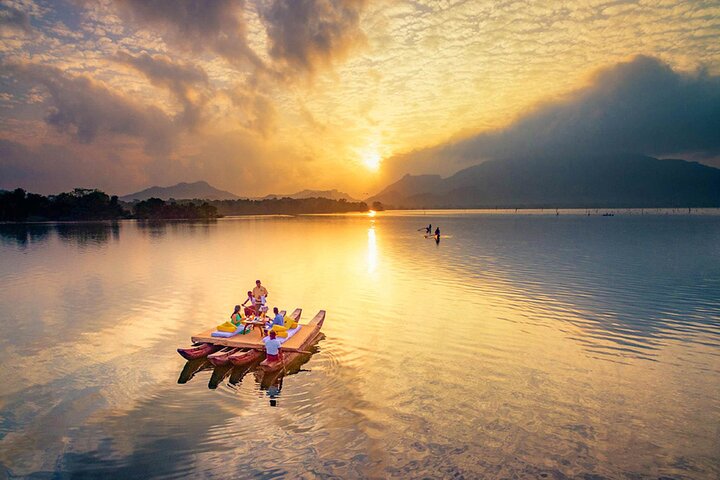
Gampaha is good for no-fuss Sri Lankan meals and coastal snacks. Keep it simple: rice and curry, short eats, and fresh seafood if you are nearer the lagoon or coast. The district is also a good place to try food without overpaying, because many spots serve locals first, tourists second. Pair a food stop with a temple visit and a canal-side walk and you have a solid half-day. For a unique experience, do a wetland or lagoon-style outing early morning, then spend the rest of the day relaxed. If you want something cultural, choose one temple and do it properly, slow walk, respectful dress, minimal rushing. This district rewards travelers who keep plans light and practical.
Latest Stories from Local about Gampaha
Latest Stories from Local about Gampaha
Galle, a charming coastal city in Sri Lanka, is a blend of history, culture, and stunning
Matara, a picturesque coastal town in Sri Lanka, is known for its stunning beaches, rich cultural
Galle, a charming coastal city in Sri Lanka, is a blend of history, culture, and stunning
Nestled in the heart of Sri Lanka, the Knuckles Mountain Range is a paradise for nature
Jaffna, located at the northern tip of Sri Lanka, offers a unique blend of culture, history,
Sri Lanka – the endless green of Ella”: This blog post delves into the verdant scenery
How to Reach Gampaha
How to Reach Gampaha
Private car or taxi
Best comfort and simplest with luggage. Rough cost LKR 6,000–18,000+ depending on pickup, vehicle, and traffic. Easy to arrange via hotels and reliable for late-night or early-morning travel. This is the most expensive option, but it saves time and avoids changing vehicles, which matters if you’re tired after a flight.
Local Train from Pettah
Low cost, usually around LKR 100 - 500 depending on class and distance, with mid comfort and good reliability on the main corridor. Great if you are traveling light and your accommodation is not too far from the station. Crowds can be heavy at peak hours, so avoid commuter times if you want a seat and less hassle.
PickMe or Uber or HelaGo tuk-tuk - Ride-Hailing apps
A practical middle-ground for short to medium transfers where coverage is good, especially closer to Colombo and busier towns. Cost varies by time and demand, and comfort depends on vehicle type. PickMe also supports safety features like live location sharing and an in-app SOS, which helps for late rides. Availability drops in quieter pockets.
Public bus
Cheapest option, often roughly LKR 50–300 for most common routes, with low comfort and frequent stops. Access is easy because buses are common on main roads, but it’s not luggage-friendly and can be crowded. Best for budget travelers with time and light bags. Expect slower travel in traffic and during school commute hours.
Transport Options in Gampaha
Transport Options in Gampaha
Meter Tuk-Tuks (three-wheelers) or Taxi Cars - From the Streets
Easy to find around towns and markets, with mid comfort and the best flexibility for short trips. Typical rides are roughly LKR 200–1,500 depending on distance and time of day. Great for quick temple visits, food stops, and last-mile transfers from stations. Always confirm the fare before starting if you are not using an app-based booking.
Public buses - Public Transport
Very low cost, usually around LKR 30–200 for local runs, but comfort is low and buses can be crowded. Access is strong on main roads, so it’s useful for simple point-to-point travel if you have time. Not ideal with luggage or tight schedules. Keep small notes ready and confirm your stop, since signage can be limited.
Private car with driver
High comfort and best for families or anyone stacking multiple stops in one day. Rough cost often falls around LKR 8,000–20,000 per day depending on route and duration. Easy to arrange through hotels. Saves time compared with multiple tuk-tuks and avoids waiting, especially helpful in rain or when you want early starts.
PickMe or Uber or HelaGo tuk-tuk - Ride-Hailing apps
Useful for predictable pricing and less negotiation, mainly in busier pockets with higher demand. Cost varies and can surge at peak hours. Comfort depends on whether you book tuk-tuk or car. PickMe includes safety tools like live location sharing and an in-app SOS, which is useful if you’re traveling solo or late. Do not rely on it in rural areas.